
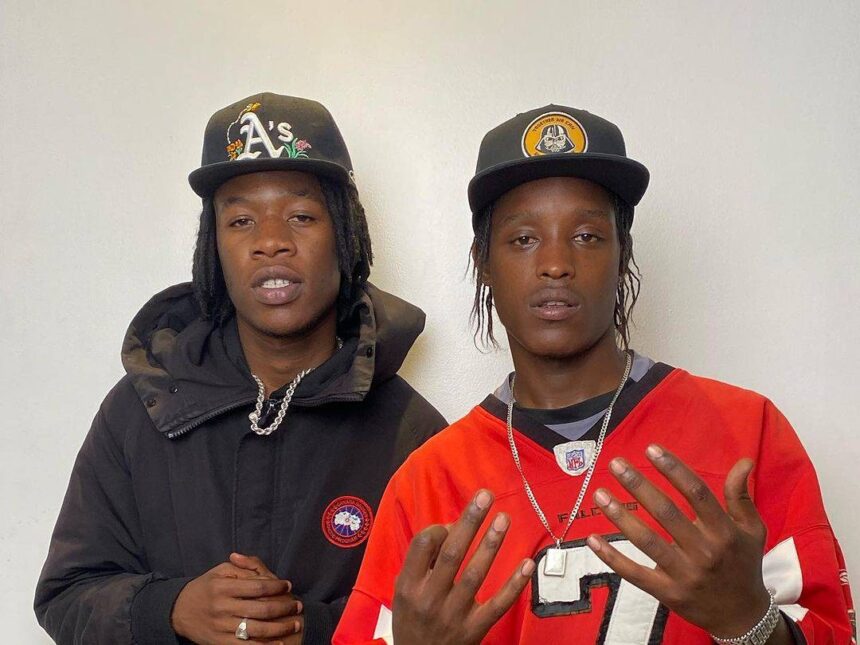
The rivalry between Toxic Lyrikali and Buruklyn Boyz intensified after a tense street confrontation involving supporters from both sides, prompting police intervention. The feud began online and in music, with diss tracks such as Stima and Dumpsite fuelling tensions between Toxic and the duo of Mr Right and Ajay. The conflict, which started as lyrical sparring, quickly spilled into the streets, drawing attention from fans and authorities alike. Minor injuries were reported, and some property was damaged during the chaos. Police responded promptly, recording statements and stabilizing the situation, although no arrests were made.
The origins of the feud trace back to personal and neighbourhood rivalries, as Toxic hails from Kayole while Mr Right and Ajay come from Buru Buru, two neighbouring estates in Nairobi. Buruklyn Boyz released Stima, warning Toxic of a bounty and asserting dominance in their music video. In response, Toxic dropped Dumpsite, challenging their authenticity and defending his Eastlands identity. The diss tracks amplified the competition, drawing fans into the dispute and intensifying the rivalry beyond the music scene. The clash highlights how neighbourhood affiliations and social media influence can escalate entertainment disputes into real-world tensions.
On February 16, the situation escalated in Donholm when fans from both camps confronted each other. Witnesses described chaotic scenes with scuffles and property damage, prompting police to intervene. The event underscored how music beefs can influence public behaviour and involve communities beyond the artists themselves. Toxic Lyrikali, however, quickly distanced himself from the violence, stating that he did not order any attacks and prefers to settle disputes in the studio rather than on the streets.
Following the incident, Toxic released a public statement urging an end to the conflict. He emphasized that music should be the medium to resolve disagreements, letting lyrics and numbers determine the outcome rather than physical confrontations. He called for fans and fellow artists to focus on creative competition, saying, “We don’t co-sign violence or property damage. Whatever happened in the streets is not something I ordered. I stand on music – let the music talk, let the numbers talk, let the people decide. End violence.”
Social media reactions largely supported Toxic’s call for peace, with fans urging both sides to maintain the rivalry in the music space only. The incident reflects the growing intersection between music culture and community influence in Nairobi, where local rivalries can quickly escalate. As the feud continues, the emphasis is on using diss tracks to assert dominance and entertain audiences while avoiding real-world violence. Toxic Lyrikali and Buruklyn Boyz now face the challenge of sustaining their rivalry creatively without endangering fans or communities.