

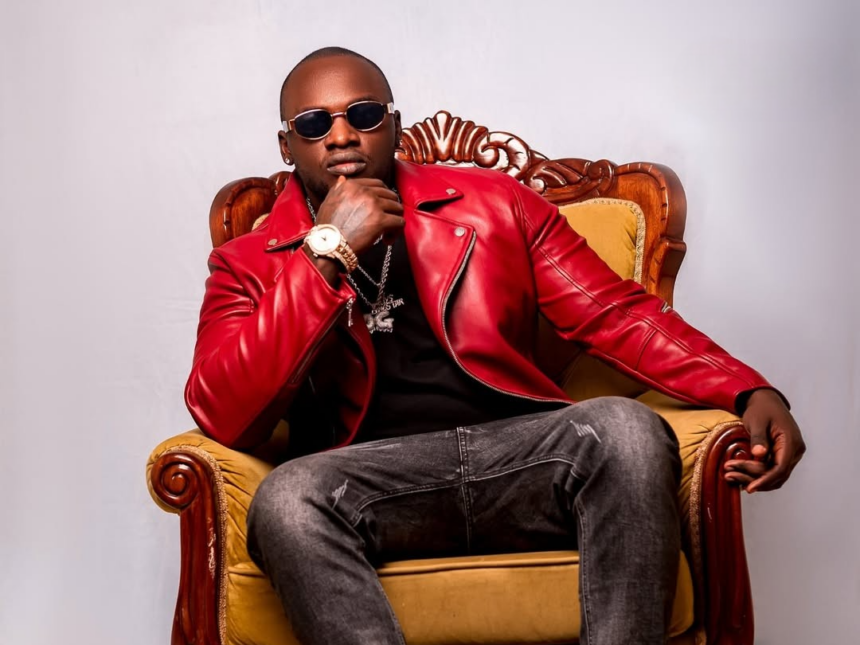
Kenyan rapper Khaligraph Jones has voiced frustration over how he believes his name is used in public discussions about the Kenyan music industry. He says he often gets mentioned during moments of criticism, debate, or comparison, but rarely when the conversation shifts to success stories or achievements. According to him, this pattern creates an unfair narrative that does not fully reflect his contribution to the industry. He argues that his influence and growth are frequently overlooked when people highlight positive progress in Kenyan music. His remarks have sparked renewed discussion about how artists are recognized and valued in public discourse.
Khaligraph Jones explained that he feels his career is often used as a reference point when people want to question the quality or direction of Kenyan music. He noted that critics tend to bring his name into conversations during disagreements or when comparing local talent to international standards. However, he claims that the same attention is not given when Kenyan artists are being praised for achievements, global collaborations, or chart success. This imbalance, according to him, creates a skewed perception of his role in the industry. He believes that consistent recognition should apply to both positive and negative discussions if fairness is to be maintained.
He also emphasized that his career has included major milestones that deserve acknowledgment in broader conversations about Kenyan music growth. These include international collaborations, award recognition, and a strong presence in the East African hip hop scene. Despite these achievements, he feels they are often overshadowed by controversy-driven narratives or selective comparisons. He pointed out that artists work hard not only to build personal brands but also to elevate their national music identity. His comments reflect a wider concern among musicians who feel their success stories are not always amplified in mainstream discussions.
The rapper’s statement has reignited conversations among fans and industry observers about how success is measured and shared in the digital age. Many argue that social media tends to amplify conflict and criticism more than celebration and progress. Others believe that consistent recognition comes with sustained engagement and public visibility across different platforms. Khaligraph Jones’s perspective adds another layer to this debate by focusing on fairness and balanced representation. It also highlights the pressure artists face when their public image is shaped by selective narratives rather than complete career context.
Khaligraph Jones’s remarks shed light on the challenges artists face in controlling how their work and reputation are interpreted in public spaces. He feels that being mentioned mainly during criticism does not reflect the full scope of his contribution to Kenyan music. His message calls for a more balanced approach to discussing artists, one that recognizes both achievements and shortcomings fairly. As conversations around African music continue to grow globally, his comments underline the importance of giving equal weight to success stories. Ultimately, his statement encourages a broader reflection on how recognition is distributed within the entertainment industry.