

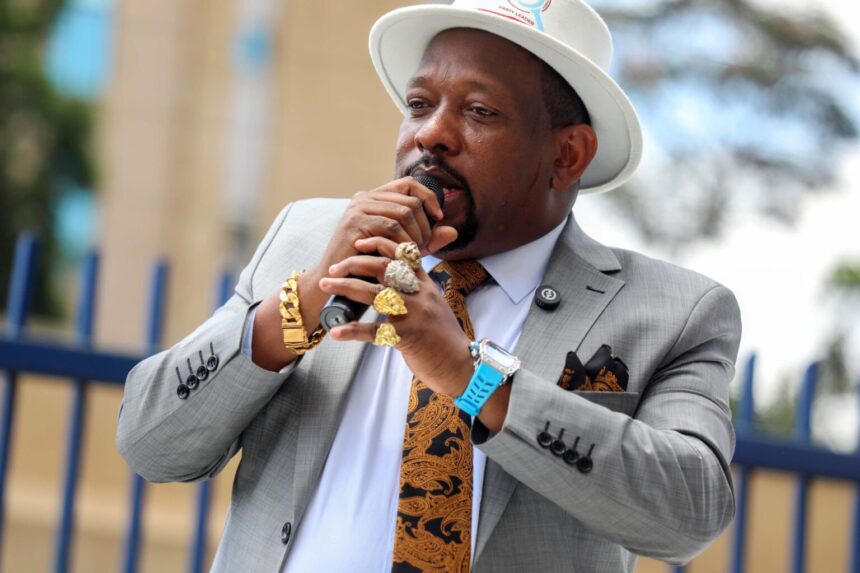
Former Nairobi governor Mike Sonko recently found himself at the center of public backlash after making controversial claims about a supposed girlfriend who allegedly cheated on him. The remarks quickly spread across social media and triggered debate about his personal life, especially given his marriage to Primrose Mbuvi. In a widely shared video, Sonko suggested he had been involved with another woman and had financially supported her, only to later discover she was receiving money from another man. The claims drew sharp criticism from many who questioned both his actions and the message he was sending to the public. The situation gained more attention because Sonko had previously spoken about changing his lifestyle and focusing on faith.
In the video that sparked the controversy, Sonko alleged that the unnamed woman had been unfaithful despite his financial support. He claimed he had been paying her rent and covering other expenses, which made the alleged betrayal more personal in his view. These statements quickly led to online discussions, with many people expressing disappointment and questioning his judgment. Critics pointed out the contradiction between his claims and his earlier statements about embracing a more disciplined and faith-driven life. The situation became a trending topic as more users weighed in on the matter and shared their opinions.
The backlash intensified because Sonko had months earlier publicly declared that he was stepping away from a lifestyle associated with partying and excess. He had stated that he was focusing on Christianity and making more responsible personal choices. For many observers, the new claims about a girlfriend appeared to conflict with that message. This perceived inconsistency led to further criticism, with some questioning his sincerity and commitment to change. The debate highlighted how public figures are often held accountable for both their past statements and current actions.
Following the criticism, Sonko returned to social media to clarify the situation and respond directly to his critics. He explained that the controversial post was not entirely what it seemed and was part of a calculated strategy to boost his online presence. According to him, the content was designed to attract attention and increase engagement across his platforms. He acknowledged the reactions but defended his approach, stating that public figures also have emotions and are subject to scrutiny regardless of their intentions. His response shifted the conversation from personal behavior to digital strategy and content creation.
Sonko revealed that the strategy had measurable results, pointing to a sharp increase in his social media following and engagement. He stated that his TikTok account gained over 100,000 followers within a short period, while likes surged by hundreds of thousands, reaching millions overall. These numbers, he argued, demonstrate how controversy can drive visibility in the digital space. He described the experience as a lesson in how online platforms reward content that sparks strong reactions. His comments reflect a growing trend where public figures use bold or provocative statements to capture attention and grow their audiences.
Mike Sonko’s controversial claims and subsequent clarification highlight the complex relationship between personal branding and public perception in the digital age. While his initial remarks sparked criticism and raised questions about his personal life, his explanation reframed the situation as a strategic move aimed at increasing online engagement. The incident shows how quickly narratives can shift when public figures control their messaging and respond directly to criticism. It also raises important questions about the use of controversy as a tool for growth on social media platforms. Ultimately, the situation underscores the power of digital influence and the fine line between authenticity and strategy in modern public life.