

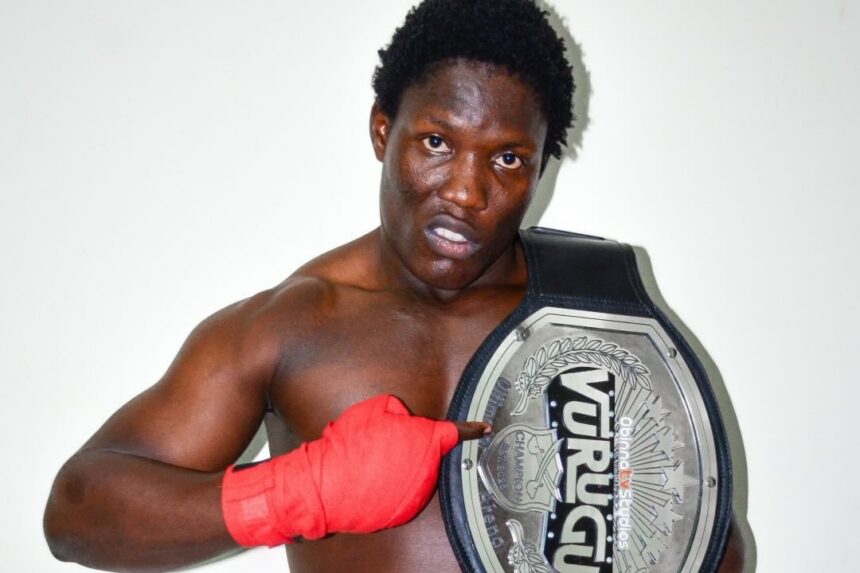
Team Majembe has officially explained its decision to decline signing the Vurugu 2 fight contract, stating that the move was made to protect the fighter’s brand, career direction and long-term commercial value. The team emphasized that the rejection was not based on additional financial demands or negotiation tactics, but on principles of fairness and professional standards within combat sports management. According to the statement, the proposed agreement raised several structural and legal concerns that could have had lasting effects on the fighter’s image rights and earnings. The decision has sparked discussion around how fighters are represented in commercial fight promotions and how contracts are structured in modern sporting events. Team Majembe insisted that its role is to safeguard the athlete’s future, even when that means refusing high-profile opportunities.
One of the main issues raised by Team Majembe was a proposed 20% agency fee that would be deducted from the fighter’s prize money. The team argued that this structure blurred the line between promoter and agent responsibilities, which are typically kept separate in professional sports arrangements. They stated that combining these roles could lead to conflicts of interest and reduce transparency in financial distribution. In their view, an agency fee of that size would significantly reduce the fighter’s net earnings without clear justification for the additional cost. The team maintained that fair compensation models should reflect industry standards and protect athletes from excessive deductions that impact their income. They stressed that any contractual agreement should clearly define roles to avoid overlapping financial claims.
Another major concern centered on a clause that would have granted Obinna TV Studios worldwide commercial rights to Majembe’s image, voice and likeness indefinitely. Team Majembe described this clause as overly broad and potentially harmful to the fighter’s long-term commercial opportunities. They argued that granting indefinite rights without additional compensation would remove future earning potential tied to endorsements, media appearances and brand partnerships. The team also raised concerns about the lack of limitations on usage, which they said could expose the fighter to uncontrolled commercial exploitation. In modern sports contracts, image rights are considered one of the most valuable assets, and the team emphasized that such rights must be carefully negotiated and time-bound. They stated that protecting these rights is essential for building a sustainable athletic career beyond a single event.
The statement also addressed sponsorship conflicts, clarifying that Majembe’s existing sponsor is not associated with betting or gambling. Team Majembe explained that they had an obligation to honor current sponsorship agreements and ensure there were no conflicts that could damage established partnerships. They said the contract appeared to introduce obligations that could interfere with these commitments, which would place the fighter in a difficult contractual position. Maintaining sponsor integrity was described as a key priority, especially in an industry where brand alignment plays a major role in long-term earnings. The team emphasized that consistency and respect for existing agreements are central to professional conduct. They added that ignoring such obligations could have led to reputational damage and financial complications.
Concerns were also raised about a requirement for Majembe to register on a third-party tipping platform as part of the promotional structure. Team Majembe questioned the necessity of this requirement, citing potential risks related to data protection and liability. They argued that introducing external platforms into contractual obligations increases exposure to security vulnerabilities and regulatory uncertainty. The team stated that fighters should not be compelled to participate in systems that are not directly linked to their performance or agreed compensation structure. They further noted that any additional digital platforms should meet strict compliance standards and be clearly justified within the contract. Without these assurances, they said the requirement could not be accepted.
Overall, Team Majembe maintained that its refusal to sign the Vurugu 2 fight contract was guided by fairness, professionalism and a commitment to long-term career protection. The team stressed that decisions of this nature are not made lightly, especially when they involve high-profile events and potential earnings. However, they reiterated that protecting a fighter’s image rights, financial integrity and contractual independence remains the top priority. They expressed willingness to engage in future negotiations provided that terms are balanced, transparent and aligned with standard industry practices. The statement concluded with a clear message that sustainable athlete management requires careful evaluation of every contractual detail, not just immediate financial gain.