

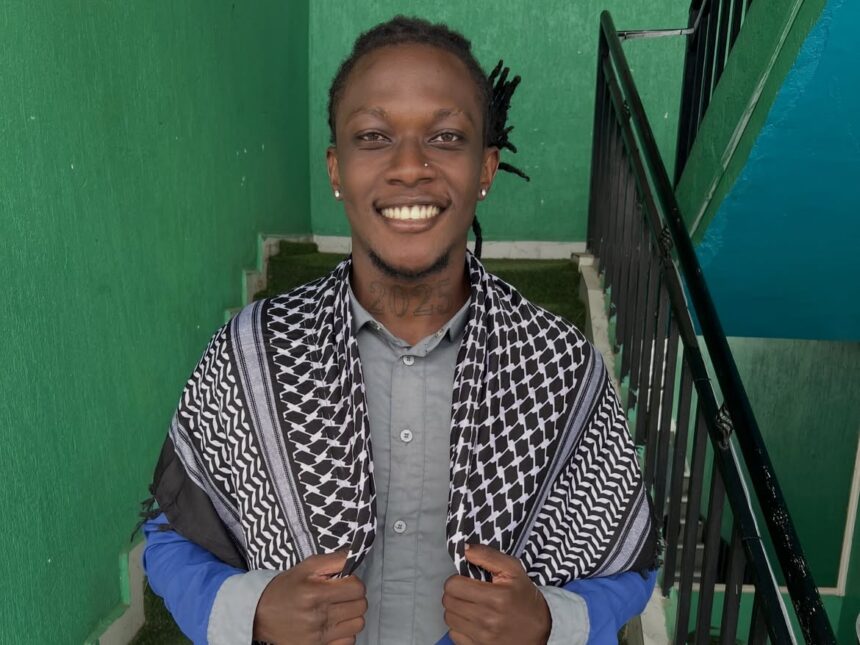
Lioness Empire Studios has ended its association with Andy Deh following backlash over comments he made about media personality Natalie Githinji and her experience with endometriosis. The company confirmed that Deh will no longer be affiliated with the Lioness Sayso Talkshow after the remarks sparked criticism. In a statement, Lioness Empire Studios made it clear that it does not support the comments attributed to Deh. The company also took further action by removing content featuring him from its platform. The decision highlights the growing importance of responsible conversations around health conditions, particularly those that can have a significant physical and emotional impact on people living with them.
The controversy centres on comments concerning Githinji’s endometriosis condition, a chronic illness that can cause severe pain, fatigue and other symptoms that affect a person’s quality of life. Endometriosis occurs when tissue similar to the lining of the uterus grows outside the uterus, and the condition can affect people in different ways. For many patients, diagnosis and treatment can take years, while symptoms can interfere with work, relationships and everyday activities. Public discussions about such conditions therefore require sensitivity and an understanding that an individual’s experience cannot be reduced to assumptions or dismissive remarks. The response from Lioness Empire Studios signals that the company considered the comments inconsistent with the values and standards it wants associated with its platform.
In its statement, Lioness Empire Studios distanced itself from Deh’s remarks and stressed that it does not support what was said about Githinji’s endometriosis. The company also confirmed that Deh would no longer have an association with the Lioness Sayso Talkshow, effectively ending his involvement with the programme. The decision demonstrates that the company is taking responsibility for the content and individuals connected to its brand. It also sends a clear message about the importance of maintaining standards when discussing sensitive personal and health-related matters. While talk shows often encourage open and sometimes controversial conversations, freedom to express an opinion does not remove the need to consider the potential impact of comments on people living with serious health conditions.
Lioness Empire Studios went beyond issuing a public statement by removing content featuring Andy Deh from its platform. The removal means that the company is not only distancing itself from the remarks but is also taking steps to ensure that material associated with Deh is no longer promoted through its channels. Such a move can have a significant impact on the digital footprint of a media personality, particularly when previous appearances remain accessible online long after a programme has aired. For Lioness Empire Studios, the decision appears intended to reinforce its position and prevent the disputed content from continuing to circulate through its platform. It also reflects the growing pressure on media organisations to consider how contributors’ statements can affect both individuals discussed in programmes and the wider audience.
The situation has also brought renewed attention to the challenges faced by people living with endometriosis. Because the condition is not always immediately visible, people who live with it can sometimes face misunderstanding from others who do not fully appreciate the severity of their symptoms. Discussions involving public figures who have spoken openly about their health can help raise awareness, but they can also expose those individuals to insensitive commentary. Githinji’s experience has therefore become part of a broader conversation about how society discusses chronic illnesses and the people affected by them. Responsible public discussion can help challenge misinformation and stigma, while careless remarks can contribute to the difficulties patients already face.
The decision by Lioness Empire Studios also illustrates how comments made on entertainment and talk-show platforms can have consequences beyond the original conversation. Audiences increasingly expect media companies to take clear positions when contributors make remarks that are viewed as offensive, harmful or inconsistent with the organisation’s values. Platforms have a responsibility to consider the context in which comments are made and how those comments may affect the people involved. In this case, Lioness Empire Studios chose to publicly reject Deh’s remarks rather than allow them to be interpreted as representing the company or its programme. Removing his content further strengthened that distinction and provided a concrete indication of the company’s position.
For the Lioness Sayso Talkshow, the controversy could also influence how future episodes approach discussions involving health, personal experiences and sensitive social issues. Talk shows depend on engaging conversations, but meaningful debate requires contributors to approach personal subjects with care and respect. The situation involving Deh and Githinji demonstrates why production companies may need to establish clear expectations for guests and contributors before sensitive topics are discussed. It also reinforces the importance of separating constructive discussion from statements that can trivialise another person’s lived experience. As digital audiences continue to scrutinise media content, decisions made by production companies can shape public perceptions of both individual contributors and the programmes they appear on.
Lioness Empire Studios’ decision to cut ties with Andy Deh marks a significant response to the controversy surrounding his comments about Natalie Githinji’s endometriosis condition. By stating that it does not support his remarks, ending his affiliation with the Lioness Sayso Talkshow and removing content featuring him, the company has clearly separated its platform from the disputed comments. The incident has also highlighted the need for greater awareness and sensitivity when discussing chronic health conditions in public spaces. For audiences, it serves as a reminder that conversations about health involve real people and experiences that deserve respect. For media platforms, the episode underlines the importance of maintaining clear standards for responsible and respectful content.