

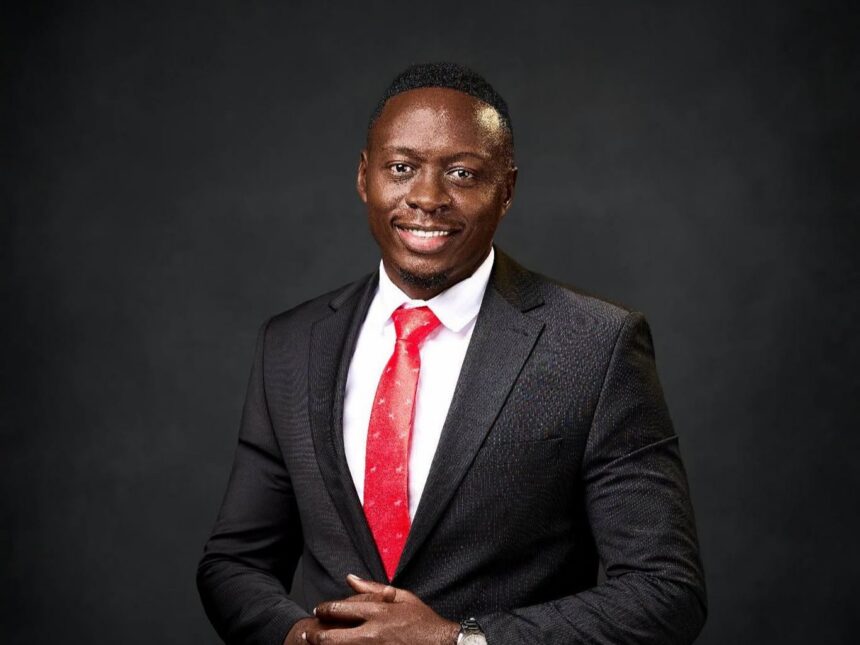
Kenyan comedian and media personality Oga Obinna has escalated his dispute with Geoffrey Mosiria after his lawyers issued a formal demand letter over statements allegedly made about him on TikTok and other social media platforms. The legal notice, dated September 17, 2026, accuses Mosiria of publishing statements that Obinna says damaged his reputation, professional standing and goodwill. Obinna’s lawyers are demanding KSh 10 million in damages, alongside a public apology, retraction and removal of the disputed content. The letter gave Mosiria seven days to comply with the demands before legal proceedings could begin. Obinna later shared the letter publicly and said the seven-day deadline had expired, indicating that he intended to pursue the matter further.
The dispute centres on a series of statements that Obinna’s lawyers attribute to Mosiria. According to the demand letter, Mosiria allegedly made comments linking Obinna’s association with celebrities to a number of unfortunate events, including accidents, deaths, suicide, addiction, humiliation and damage to the careers and fortunes of people who had appeared on Obinna’s programmes. One statement specifically cited in the letter involved Mosiria addressing Obinna directly and telling him to seek Jesus, go to church and repent. Mosiria also allegedly referred to Obinna’s association with two celebrity musicians and said that what followed those associations was unfortunate. The lawyers argue that these statements were false and defamatory, although the allegations contained in the demand letter have not been established by a court.
The legal demand goes beyond simply asking Mosiria to stop making the alleged statements. Obinna’s lawyers want all disputed videos and related material removed from TikTok and any other platforms controlled by Mosiria. They also want Mosiria to retract the statements and issue an unequivocal public apology. According to the letter, the apology should reach an audience comparable to the one that saw the original publications. The lawyers further requested that the apology expressly acknowledge that the allegations connecting Obinna to accidents, deaths, suicides, addiction, humiliation and the alleged downfall of other people were false.
The KSh 10 million compensation demand forms a central part of the dispute. Obinna’s legal team says the alleged publications caused reputational injury, emotional distress and embarrassment while also affecting his professional standing and goodwill. The demand letter therefore calls for Mosiria to admit liability and pay KSh 10 million as compensation. It also seeks a written undertaking that Mosiria will stop publishing, repeating, sharing or circulating similar allegations in the future. These demands represent Obinna’s position through his lawyers, rather than a court ruling that Mosiria is legally liable or that KSh 10 million is owed.
The seven-day deadline became an important part of the latest development. The demand letter warned that failure to meet the requirements within seven days would lead to legal proceedings without further notice. Obinna later posted the document on his social media pages after the deadline had passed and indicated that he planned to move forward. In a post, he wrote in part, “Siku Saba zili-isha, we proceed,” while referring to the KSh 10 million figure. His comments showed that he considered the initial demand period finished and expected the dispute to move into a more formal legal stage.
Mosiria’s response has added another dimension to the controversy. Reports published after Obinna made the demand public say Mosiria questioned the matter and claimed he did not know the Kenyan media personality being referred to. In an interview reported by Kenyan media, Mosiria said he was hearing about the issue and suggested that he only knew an Obinna from Nigeria. This response contrasts with the allegations contained in Obinna’s lawyers’ letter, which identifies Mosiria as the person responsible for the disputed statements. The disagreement over the circumstances surrounding the alleged publications could become significant if the matter proceeds to court.
The disagreement between the two personalities did not emerge in isolation. Obinna and Mosiria had already clashed publicly earlier in 2026 over the Majembe versus Mbavu Destroyer boxing match. Mosiria alleged that the bout had been scripted, while Obinna rejected the accusation and criticised Mosiria publicly. That earlier dispute created a history of tension between the two men before the latest allegations concerning Obinna’s relationships with celebrities and events involving people who appeared on his programmes. The current legal demand has therefore brought an existing public disagreement into a more serious legal setting.
Social media has played a major role in the dispute because the allegations at issue were allegedly distributed through platforms such as TikTok. Content posted online can reach large audiences quickly and can also be copied, reposted or circulated beyond the original account. This is one reason Obinna’s lawyers have specifically demanded the deletion of copies, extracts, clips, reposts and reproductions of the disputed material. Their demand seeks not only to address the original publications but also to limit the continued circulation of the statements. Whether those demands are legally enforceable in the form requested would ultimately depend on the applicable law and any proceedings that may follow.
The dispute also highlights the difference between a legal demand and a court judgment. A demand letter represents the position and demands of the person or party issuing it, while a court must consider evidence and arguments from the parties before determining legal liability. At the time of the reported developments, the available information showed that Obinna’s lawyers had issued the KSh 10 million demand and that Obinna had indicated the seven-day period had expired. It did not establish that a court had awarded Obinna KSh 10 million or determined that Mosiria was liable for defamation. The eventual outcome could depend on whether the two sides reach an agreement, whether Mosiria responds to the demands and whether Obinna’s legal team files a formal case.
For public figures and content creators in Kenya, the dispute demonstrates the potential legal consequences of statements made on social media. Comments about another person can attract significant attention when they involve serious allegations concerning deaths, criminal conduct, personal responsibility or professional misconduct. The wider an allegation spreads, the greater its potential impact on a person’s public reputation, although the legal consequences depend on the specific facts and applicable law. Social media users therefore face a different environment from traditional private conversations because online statements can remain accessible and can be rapidly redistributed. The Obinna and Mosiria dispute now provides another closely watched example of how an online disagreement can develop into a formal legal confrontation.
For Oga Obinna, the KSh 10 million demand marks a significant escalation in his response to statements he considers damaging to his name and career. His lawyers have demanded a retraction, removal of the disputed content, a public apology and financial compensation. Mosiria, meanwhile, has disputed the circumstances surrounding the complaint according to reports about his response. The available information does not yet establish how the dispute will ultimately be resolved. What is clear is that the seven-day demand has expired and the two personalities now face the possibility of a more formal legal battle over the alleged defamatory statements.