
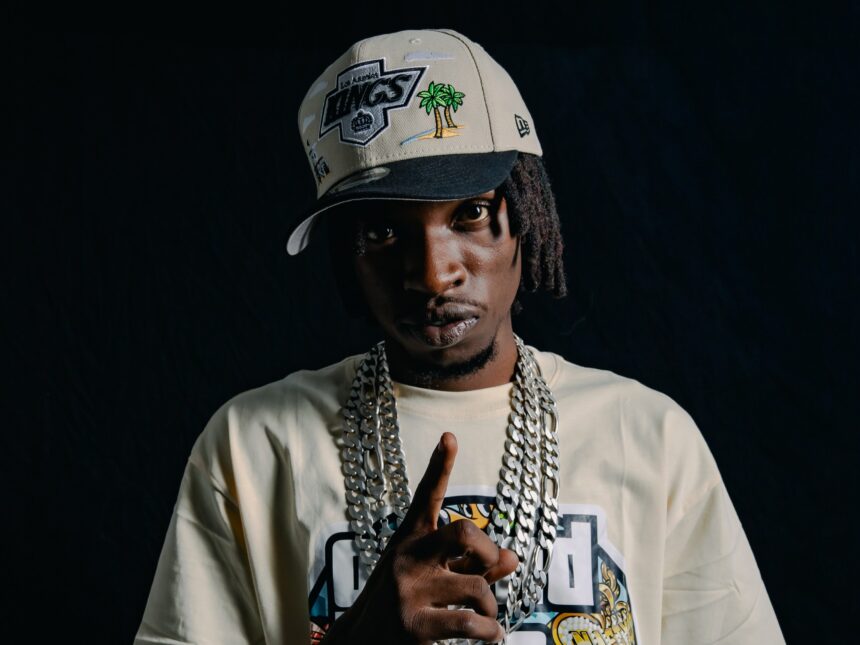
Kenyan rapper Toxic Lyrikali has responded to criticism from fellow entertainer Wizzo Tano, who challenged him and the Buruklyn Boyz over their music and its influence on young listeners. Wizzo accused the musicians of glorifying street life and violence, arguing that their songs could mislead high school students who look up to them. His comments sparked a wider conversation about the responsibility of Kenyan musicians when addressing sensitive subjects such as crime, street culture and violence. Toxic Lyrikali has now weighed in on the criticism, bringing renewed attention to the debate surrounding the message behind his music. The disagreement has also raised questions about artistic freedom, the influence of popular music and the role of musicians in shaping the attitudes of young Kenyans.
Wizzo Tano’s criticism centred on the content of songs released by Toxic Lyrikali and the Buruklyn Boyz, a Kenyan music group associated with the country’s urban music scene. He expressed concern that some of their lyrics and themes presented street life and violent behaviour in a way that could appeal to impressionable teenagers. According to his argument, high school students may interpret such music as an encouragement to adopt behaviours associated with criminal activities. His comments reflected concerns about the influence entertainers can have on young audiences, particularly when their music becomes popular among teenagers. By directly mentioning Toxic Lyrikali and Buruklyn Boyz, Wizzo brought the discussion into the spotlight of Kenya’s entertainment industry.
Toxic Lyrikali’s response has attracted interest because of his growing profile in Kenya’s gengetone and street-inspired music scene. The rapper has developed a recognisable identity through music that draws on urban experiences, street language and themes familiar to many young listeners. His style reflects a section of the Kenyan entertainment industry that often uses music to express the realities, struggles and ambitions of people living in urban communities. However, such creative expression can attract criticism when audiences interpret the lyrics as celebrating violence or criminal behaviour. The disagreement with Wizzo therefore touches on a larger question about where musicians should draw the line between describing street experiences and appearing to promote them.
The debate is particularly important because music plays a significant role in youth culture. Popular songs influence fashion, language, dance trends and the way young people express themselves. Artists with large followings can become influential figures, especially among teenagers who admire their lifestyles and personalities. This influence creates expectations that musicians should consider how their messages may be understood by different audiences. At the same time, music is also a form of storytelling that allows artists to discuss difficult social realities without necessarily supporting the behaviour they describe. Distinguishing between artistic expression and endorsement remains central to the disagreement surrounding Toxic Lyrikali’s music.
Wizzo’s comments about high school students have also brought attention to parental guidance and media responsibility. Teenagers consume music through streaming platforms, social media and video-sharing applications, often encountering content without much explanation about its meaning or background. Some listeners may understand street-inspired lyrics as entertainment, while others may interpret them as examples of behaviour worth copying. This makes it important for parents, teachers and other adults to help young people think critically about the content they consume. Musicians can also contribute by being conscious of the messages they communicate, particularly when their audiences include minors. However, responsibility for how young people interpret music cannot rest entirely on artists.
For Toxic Lyrikali and the Buruklyn Boyz, the criticism highlights the challenges facing musicians whose artistic identities are closely connected to street culture. Kenyan urban music has developed through different influences, including gengetone, hip-hop, dancehall and local youth slang. These genres often explore experiences that mainstream entertainment may overlook, including unemployment, social pressure, poverty and life in difficult neighbourhoods. Artists use their lyrics to communicate these experiences in ways that resonate with their audiences. However, the same themes can become controversial when they involve violence, criminal activity or confrontational language. The challenge is finding a balance between telling authentic stories and avoiding messages that could encourage harmful behaviour.
The criticism also raises an important question about whether musicians should be judged by their lyrics alone. Some songs use exaggerated storytelling, fictional characters and dramatic language to create entertainment. Others draw directly from personal experiences or the realities of particular communities. Without understanding the context behind a song, listeners may reach different conclusions about what an artist intended to communicate. This does not mean musicians should be exempt from criticism, but it highlights the importance of examining their work carefully before assuming that every lyric represents an endorsement of a particular lifestyle. Toxic Lyrikali’s disagreement with Wizzo has therefore created an opportunity for a broader discussion about interpretation and responsibility in Kenyan music.
Kenya’s entertainment industry has experienced similar conversations over the years as new music styles gain popularity among younger audiences. Gengetone, in particular, has attracted both praise and criticism because of its explicit lyrics, street-inspired themes and strong youth following. Supporters argue that the genre provides a platform for young artists to express themselves and tell stories about their surroundings. Critics, however, have raised concerns about vulgar language, violence and the influence of certain songs on teenagers. These opposing views show how music can become part of wider social debates about culture, education and changing values. The latest disagreement involving Toxic Lyrikali and Wizzo Tano reflects the continuing tension between artistic freedom and public expectations.
The Buruklyn Boyz have also become part of the conversation because of their association with Kenya’s contemporary urban music movement. Their music has attracted attention from listeners who appreciate its connection to youth culture and street-inspired sounds. Wizzo’s decision to mention the group alongside Toxic Lyrikali shows that his concerns extend beyond one musician. It also suggests that the debate is about a wider musical trend rather than an isolated disagreement between entertainers. As Kenyan urban music continues to evolve, artists within the scene may face increasing questions about the messages they communicate. How they respond to such criticism could influence public perceptions of the genre.
The disagreement has also created an opportunity to discuss the difference between representing street life and glorifying violence. An artist can describe crime, hardship and dangerous environments without encouraging listeners to participate in those activities. In many cases, music can highlight the consequences of violence and expose social problems that require attention. However, presentation matters because lyrics, music videos and public personalities can shape how audiences understand a song. When violent behaviour appears glamorous or consequence-free, some listeners may misunderstand the intended message. This is why artists, critics and audiences need to engage with music beyond simply reacting to controversial lyrics.
Toxic Lyrikali’s response to Wizzo Tano has consequently become part of a wider conversation about the direction of Kenyan urban music. The debate is not only about individual artists but also about the kind of entertainment young people consume and the messages they take from it. Musicians should have room to explore difficult subjects and express their experiences without facing automatic accusations of promoting everything they describe. At the same time, public influence comes with a level of responsibility, particularly when young audiences are involved. The challenge is to encourage creative freedom while maintaining meaningful conversations about the impact of popular culture.
The exchange between Toxic Lyrikali and Wizzo Tano has placed an important issue at the centre of Kenya’s entertainment conversation. Wizzo has questioned whether street-inspired music is sending the wrong message to high school students, while Toxic’s response has brought attention to the artists’ perspectives in the debate. Their disagreement highlights the complicated relationship between music, youth culture and social responsibility. As Kenyan urban music continues attracting new listeners, discussions about violence, artistic expression and positive influence are likely to remain relevant. Ultimately, the debate should encourage musicians, parents, educators and fans to think more carefully about the messages in popular music and how young audiences interpret them.