
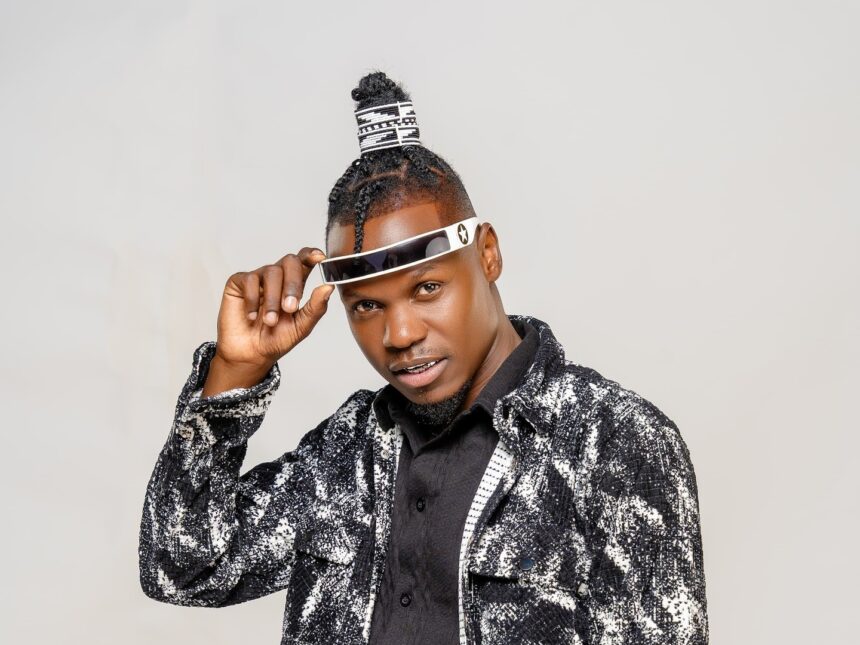
Eko Dydda has spoken out against the ongoing rap beef targeting Toxic Lyrikali, calling on fans to reconsider their support for the conflict. The gospel rapper criticized Buruklyn Boyz and other Kenyan rappers for repeatedly dissing Toxic Lyrikali, describing the attacks as unfair and fueled by jealousy over his rising success. He emphasized that ganging up on one artist creates a hostile environment that could harm careers rather than foster healthy competition. Eko Dydda highlighted the role of fans in sustaining the feud, warning that public encouragement of such rivalries could have serious consequences. He stated that if these attacks ultimately damage Toxic Lyrikali’s career, he would hold Kenyans partly accountable for promoting hostility instead of supporting the artist’s growth.
According to Eko Dydda, the culture of dissing fellow rappers undermines the positive potential of Kenya’s music scene. He argued that rivalry should inspire creativity rather than personal attacks, stressing the importance of respect and professionalism among artists. By speaking out, he seeks to protect Toxic Lyrikali from unnecessary setbacks and to encourage the public to reflect on how their engagement impacts musicians’ careers. Eko Dydda’s warning serves as a reminder that online and offline support can either contribute to constructive growth or escalate conflicts. He urged both fans and artists to focus on talent, collaboration, and artistic development instead of perpetuating grudges.
Fans have reacted to Eko Dydda’s message by rethinking their engagement with diss tracks and social media commentary. His statement also prompts a larger conversation about accountability in Kenya’s music industry, where public opinion often shapes an artist’s opportunities. By highlighting the dangers of collective targeting, Eko Dydda emphasizes that the community’s actions carry real consequences for emerging artists like Toxic Lyrikali. He believes that mutual respect and encouragement will strengthen the rap scene rather than diminish it through rivalry. The gospel rapper’s stance is a call to prioritize support, constructive critique, and artistic integrity over personal attacks and jealousy.
Eko Dydda’s intervention comes at a crucial time as Toxic Lyrikali continues to gain recognition for his work in the Kenyan rap industry. By addressing both fellow artists and fans, he aims to create awareness of the negative effects that ongoing disses can have on a musician’s career trajectory. His message underscores the influence of social behavior on the music industry and the responsibility audiences have in shaping the environment for artists. Eko Dydda’s warning is not only about protecting one artist but also about promoting a culture of respect and collaboration in Kenya’s rap community. He hopes that artists and fans alike will choose to uplift talent rather than contribute to destructive rivalries.
The conversation sparked by Eko Dydda’s remarks also challenges the industry to consider the broader implications of public disputes. By calling out the unfair treatment of Toxic Lyrikali, he highlights the need for accountability and ethical conduct among artists. His statement encourages fans to reflect on the power they wield in either sustaining conflict or supporting artistic success. Eko Dydda’s focus on responsibility, both from peers and the public, is aimed at fostering a healthier and more sustainable music ecosystem. Ultimately, his warning is a push toward unity, respect, and the protection of emerging talent within Kenya’s rap scene.