

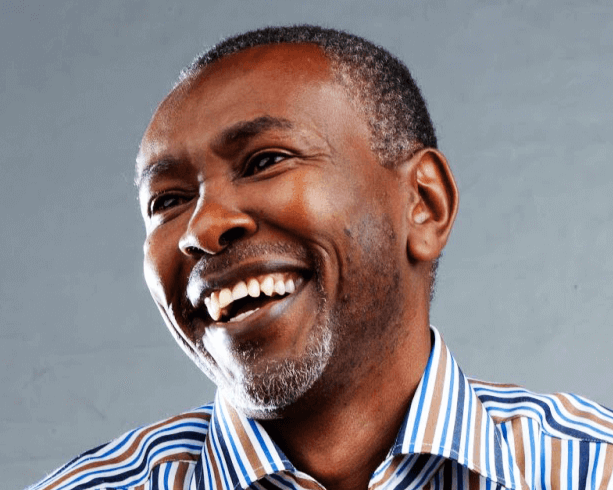
Renowned filmmaker Ian Mbugua has sparked widespread online conversation after a video surfaced showing him walking out of a live panel on Jeff Koinange Live. The incident occurred during a debate involving prominent figures Cleophas Malala and Dennis Itumbi, where discussions centered on the controversies surrounding student drama festivals. Mbugua’s exit immediately drew attention due to the tension on the panel and his visible frustration. Audiences quickly shared and discussed the clip across social media, highlighting both the intensity of the exchange and the boldness of his departure. The moment has raised questions about the dynamics of public debates and the challenges of maintaining civility under heated circumstances.
The debate focused on rules and content selection in student drama festivals, which have recently been a subject of controversy. Cleophas Malala dominated the conversation, often rebutting other panelists’ points and challenging their perspectives. At one point, he referred to Mbugua as a government apologist, a remark that appeared to escalate the tension. Mbugua had been visibly tired and appeared to struggle to make his points amid Malala’s assertive responses. The clash highlighted the challenges of discussing sensitive educational and cultural topics on live television, where opinions and personalities can easily collide.
As the discussion intensified, Mbugua decided to leave the set, choosing to exit politely while acknowledging the panel. He wished everyone a good night, saying, “Good night, please take the mic, please take the mic,” before walking away. His departure left both the host and the remaining guests to continue the debate without him. Jeff Koinange and other panelists responded with laughter, acknowledging the tension while moving the conversation forward. The moment underscored the difficulty of maintaining balance in live discussions when strong personalities and differing viewpoints intersect.
Social media users quickly picked up on the incident, with reactions ranging from support to criticism. Some praised Mbugua for leaving the discussion gracefully rather than escalating conflict further. Others expressed disappointment, arguing that panelists should remain engaged to provide their perspectives fully. The video prompted broader conversations about professionalism, respect, and the intensity of public debates in Kenyan media. Many viewers also discussed the content of the drama festivals and the role of educators, highlighting how Mbugua’s exit brought renewed attention to the issue.
The incident also reflects broader challenges in live broadcasting, where disagreements can escalate quickly. Panelists often face pressure to defend their positions while navigating personal attacks or sharp criticism. Mbugua’s decision to step away demonstrates one approach to handling high-pressure discussions without compromising personal integrity. It also raises awareness about the emotional toll such debates can take on participants. The public response shows that audiences are attentive not just to the content of debates but also to how individuals conduct themselves under scrutiny.
In the end, Ian Mbugua’s walkout from Jeff Koinange Live has become a notable moment in Kenyan media, highlighting the intensity of public discourse and the challenges of navigating controversial topics. The incident offers a case study in managing conflict, both on-screen and off, while maintaining dignity. It reinforces the importance of respecting diverse viewpoints and recognizing the limits of personal engagement in heated discussions. As the conversation continues online, Mbugua’s departure serves as a reminder of the pressures public figures face when addressing sensitive issues in real time.