

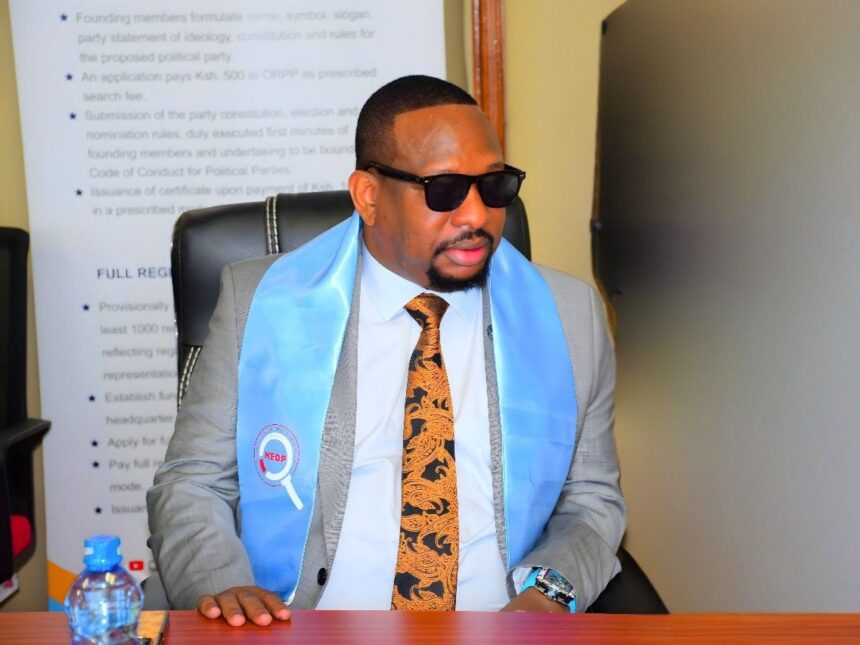
Former Nairobi Governor Mike Sonko has been acquitted of money laundering charges after a court ruled that there was not enough evidence to link him directly to the allegations. The decision marks a significant moment in a long-running legal battle that has followed him since his time in office. The court found that the prosecution failed to establish a clear connection between Sonko and the money laundering claims. This ruling effectively clears him of one of the most serious accusations he was facing. It also brings partial relief to a case that has attracted public attention for several years.
Despite the acquittal on money laundering charges, the court ruled that Sonko still has a case to answer regarding alleged irregular tender dealings. These allegations relate to approximately KSh 14 million connected to procurement processes during his tenure at City Hall. The court determined that there is enough evidence for this matter to proceed to the next stage of legal proceedings. This means the case will continue to trial, where further examination of documents and testimonies is expected. The ruling shows that while one charge has been dismissed, another remains active and unresolved.
Sonko has consistently maintained that the cases brought against him are politically motivated. He argues that his actions while in office were aimed at exposing and fighting corruption within Nairobi County operations. According to his position, the allegations do not reflect his actual conduct while serving as governor. He has also expressed confidence in clearing his name as the legal process continues. His defence has repeatedly framed the charges as part of broader political targeting rather than factual wrongdoing.
The developments in the case have sparked renewed discussion about governance and accountability in public office. Legal observers note that cases involving procurement and tender processes often require detailed financial evidence and documentation. The court’s decision to separate the money laundering charges from the tender allegations highlights the complexity of such cases. It also reflects the judicial process of evaluating each charge independently based on available evidence. Public interest in the matter remains high due to Sonko’s former role in leading Kenya’s capital city.
As the case moves forward, attention will now focus on how the tender-related allegations are handled in court. The next stage is expected to involve further scrutiny of financial records and procurement procedures linked to the KSh 14 million in question. Sonko’s legal team is likely to continue challenging the evidence while maintaining his innocence. The outcome of this phase will play a key role in determining his legal standing in the remaining charges. For now, the partial acquittal marks both a legal victory and the continuation of a high-profile case that is still unfolding.