

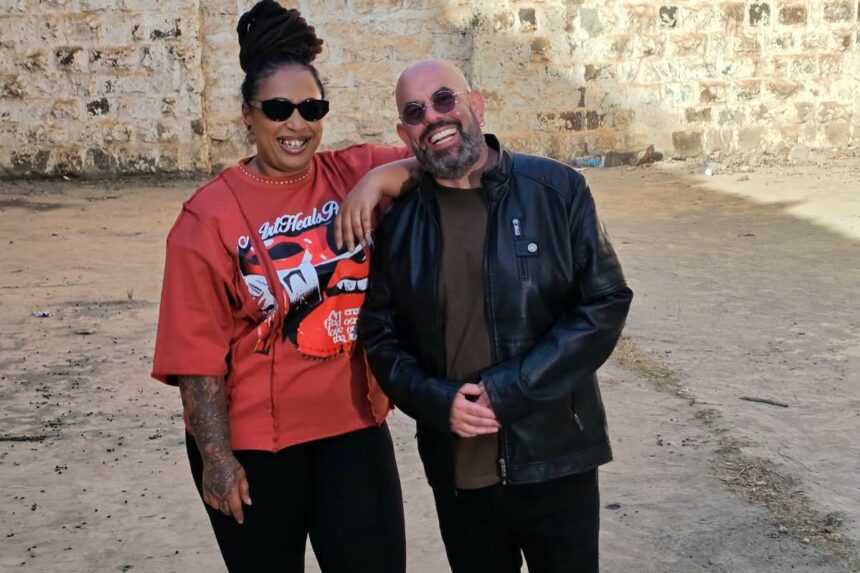
Kenyan music continues to bring together talented artists who use their unique sounds to tell stories that connect with listeners, and the collaboration between Gilad and Nazizi on their new love song, “Nakupenda,” adds to this growing musical landscape. The song brings together two artists with distinct musical backgrounds for a release centered on love and affection. Titled “Nakupenda,” a Swahili expression meaning “I love you,” the track carries a message that many listeners can understand regardless of their background. The release also features an official music video directed by J Blessing, a filmmaker known for his work in the African entertainment industry. With its romantic theme, recognizable artists and visual presentation, “Nakupenda” offers music fans another opportunity to enjoy a collaboration that celebrates the power of love through music.
Gilad has established a presence in the East African music scene through songs that appeal to audiences who appreciate melodic arrangements and emotional storytelling. His musical style has helped him connect with listeners who enjoy romantic themes and relatable expressions of personal experiences. Nazizi, on the other hand, is widely recognized for her contribution to Kenyan hip-hop and her role in the development of the country’s urban music scene. As a member of Necessary Noize, she became associated with a sound that helped bring Kenyan urban music to a wider audience. Her experience in music gives her a distinctive place in a collaboration that explores a more romantic subject. Bringing these two artists together creates an interesting meeting of musical backgrounds, allowing “Nakupenda” to attract attention from fans with different tastes.
The title “Nakupenda” gives the song an immediate emotional identity because the phrase expresses love in one of the region’s most widely understood languages. Swahili remains an important language for music across East Africa, allowing artists to communicate feelings and experiences in a way that feels familiar to many listeners. Love songs often explore affection, commitment, attraction and the desire to build a meaningful connection with another person. A title as direct as “Nakupenda” places that emotional message at the center of the listening experience. It also gives the release a regional identity while maintaining a theme that can resonate with audiences beyond East Africa. Although the title communicates a clear romantic sentiment, the full meaning of the song is best understood through its lyrics, vocal delivery and musical arrangement.
Collaborations play an important role in the growth of African music because they allow artists to introduce their work to new audiences while exploring different creative approaches. When performers from different musical backgrounds come together, the result can offer listeners a fresh perspective on familiar themes. Gilad and Nazizi bring different artistic identities to “Nakupenda,” making the collaboration an opportunity for their respective audiences to discover something new. Such partnerships can also encourage listeners to explore music outside their usual preferences. In a competitive music industry where artists release new material across streaming platforms, radio and social media, collaborations can help a song reach people who might not otherwise encounter it. The combination of a romantic title and two established names gives “Nakupenda” a clear identity within the wider East African music conversation.
The official music video adds another dimension to the release, bringing a visual component to a song built around a message of love. Music videos allow artists to communicate emotions through images, locations, performances and storytelling, giving audiences another way to experience a track. The visual interpretation of a love song can help establish its mood and make its central message more memorable. For “Nakupenda,” the involvement of J Blessing in directing the official music video places the visual production among the key elements of the release. His role is particularly relevant in an industry where music videos have become an important part of how audiences discover and engage with new songs. The video gives the song a visual identity that can complement its musical presentation and support its promotion across digital channels.
J Blessing has built a reputation in Kenya’s creative industry through his involvement in music video production and other visual projects. Directors help translate an artist’s musical ideas into a visual experience by shaping the presentation, coordinating performances and determining how scenes communicate the intended mood. Their contribution can influence how audiences perceive a song, especially when the visual treatment reinforces the emotions expressed through the music. For a romantic release such as “Nakupenda,” the director’s creative choices can play an important role in presenting the relationship themes suggested by the title. However, the specific storyline, filming locations and visual techniques used in the video should be assessed from the finished production rather than assumed from the song’s subject. Having J Blessing direct the official video adds a recognizable creative name to the project’s presentation.
The release also highlights the continuing importance of Swahili in East African popular music. Artists across the region use Swahili to communicate everyday experiences, social realities and personal emotions in ways that connect with broad audiences. Love songs are particularly suited to this approach because expressions of affection often cross cultural and linguistic boundaries. A phrase such as “Nakupenda” communicates its central message without requiring an elaborate explanation, making it memorable and accessible to many listeners. At the same time, the language gives the song a cultural connection to the communities where Swahili plays a major role in daily life. This combination of local identity and universal emotion remains an important feature of music that seeks to reach listeners across different countries and audiences.
Digital platforms have also changed how new songs such as “Nakupenda” reach listeners. Music fans can now discover releases through streaming services, online music publications, social media posts and official video channels. An official music video can help introduce a song to people who prefer visual content, while audio streaming allows listeners to return to the track during their daily routines. Short video clips and audience reactions can further increase awareness when listeners share memorable moments from a release. For artists, these channels provide opportunities to build conversations around new music beyond traditional radio promotion. The actual reach and reception of “Nakupenda” will depend on factors such as listener engagement, availability and how audiences respond to the song and its accompanying video.
For fans of Gilad and Nazizi, the collaboration offers a chance to experience the artists in the context of a shared romantic theme. Listeners who already know Gilad’s work may approach the song with an interest in its melodic qualities, while Nazizi’s followers may be curious about how her contribution fits into the track’s overall direction. New listeners may discover the collaboration through the title, the official music video or recommendations from other music fans. This range of potential audiences gives the release an opportunity to connect with people through different entry points. Rather than relying only on the popularity of its performers, a song ultimately builds a lasting relationship with listeners through its sound, lyrics and emotional impact. The response from audiences will help determine how “Nakupenda” fits into the artists’ wider musical journeys.
The release of “Nakupenda” by Gilad and Nazizi brings together a romantic message, two distinct musical identities and a visual production directed by J Blessing. Its Swahili title places love at the heart of the project while connecting the song to a language that holds an important place in East African culture. The collaboration also reflects the value of creative partnerships in bringing different audiences together and exploring familiar themes through new musical combinations. With the official music video providing a visual counterpart to the song, the release offers listeners more than an audio experience alone. Ultimately, “Nakupenda” stands as a collaboration built around one of music’s most enduring subjects, love, and its lasting appeal will depend on how effectively the song connects with the people who hear it.