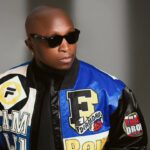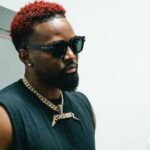


Kenyan inline freestyle skating champion Kelvin Kiarie has sparked a fresh national conversation after questioning his nomination as one of Kenya’s proposed national heroes for 2026. The accomplished skater, who has represented Kenya at international competitions and won multiple African titles, welcomed the recognition but also used the moment to highlight what he says has been a long-standing lack of government support. Kiarie revealed that he has personally financed his trips to international competitions despite competing at the highest level of his sport. He also claimed that he is still waiting for reimbursement funds from the Ministry of Sports. His comments have since prompted Kenyans to question whether athletes should receive meaningful support before they are celebrated for their achievements.
Kiarie, who is also known as Kevin Kiarie Ruhiu, shared his reaction after noticing his name on a Republic of Kenya National Heroes Council document. His name reportedly appeared as entry number 218 on the proposed list, where he was identified as a multiple African champion in freestyle inline skating. The nomination could have been a major moment of recognition for an athlete whose achievements have helped raise the profile of inline freestyle skating in Kenya. Instead, Kiarie used the announcement to ask why he was being considered for national hero status when he says the government had not supported him during his international competitions. His response has shifted attention from the honour itself to the broader issue of how Kenya supports athletes who represent the country abroad.
Kiarie explained that while he appreciated the proposed recognition, he wanted the Ministry of Sports to account for the lack of assistance he says he has experienced throughout his international career. He questioned why he had been nominated despite never receiving government support for his international competitions. He also stated that he had not received reimbursement funds that he was expecting and claimed that no action had been taken on the matter. His comments highlight a concern that has frequently featured in discussions about sports development, namely the difference between celebrating athletes after they succeed and providing them with resources before they compete. For Kiarie, the nomination has therefore become an opportunity to ask whether recognition should also come with practical support for athletes who carry Kenya’s name onto the international stage.
The champion’s journey to continental success reportedly involved significant personal sacrifices. Ahead of a competition in Benin, Kiarie and his wife allegedly used money intended for their four-year-old daughter’s school fees to help finance his trip. The circumstances surrounding his journey reportedly showed just how far he was prepared to go to compete despite financial challenges. Unable to afford private transportation, he reportedly used a public matatu late at night so that he could reach the airport in time for a flight scheduled at around 3am. These sacrifices underline the personal and family costs that can accompany an international sporting career when athletes have limited financial backing.
Despite the difficulties surrounding his trip to Benin, Kiarie reportedly delivered an impressive performance at the competition. He won gold in freestyle battle and secured silver in classic slalom, adding further achievements to his growing record as an inline freestyle skater. His performances demonstrated the level of talent that exists within Kenya’s skating community and showed that athletes can compete successfully on the continental stage even when resources are limited. Such results can also help inspire younger skaters who may be considering the sport as a serious competitive discipline. However, the financial burden placed on athletes can make it difficult for emerging talent to consistently participate in international events.
Kiarie’s success continued when he competed at the African Skating Championships in Cairo, Egypt. He reportedly won gold at the continental event, becoming one of the few Kenyans to hold an African title in inline freestyle skating. Winning at that level represented a significant achievement for both Kiarie and Kenyan skating, particularly given the financial challenges he had described. Yet, according to his account, returning home with medals did not result in an official government reception or meaningful recognition at the time. The contrast between his international achievements and the lack of support he says he received has become central to the debate surrounding his proposed national hero status.
The issue goes beyond one athlete because funding can play an important role in determining whether competitors can participate consistently in international events. Travel, accommodation, competition fees, equipment and training can place substantial financial pressure on athletes, particularly in sports that receive less mainstream attention. When athletes have to fund these expenses themselves, some may be forced to miss competitions despite qualifying or having a strong chance of winning medals. Kiarie’s reported experience also highlights the importance of timely reimbursement when athletes have already spent their own money representing their country. Delays in receiving promised funds can create additional financial pressure and make it harder for athletes to prepare for future competitions.
Kiarie also reportedly missed a training opportunity in China because of a lack of funding. International training opportunities can be important for elite athletes because they provide access to specialised coaching, stronger competition and facilities that may not be readily available at home. Missing such an opportunity can affect an athlete’s preparation and development, particularly when competing against athletes from countries with stronger support structures. His experience therefore raises questions about how Kenya identifies and supports athletes in less commercially prominent sports. Recognition through national honours can celebrate past achievements, but consistent investment can help athletes achieve even greater results in the future.
The reaction to Kiarie’s comments has also generated criticism of the Ministry of Sports, with Kenyans questioning why athletes can struggle to access support while government institutions later recognise their achievements. The debate reflects a wider concern about whether sporting success should be supported proactively rather than celebrated only after medals have been won. Kiarie’s story has given social media users a specific example of an athlete who says he had to make significant personal sacrifices to represent Kenya internationally. His proposed nomination has consequently become part of a larger conversation about funding, accountability and athlete welfare. For many observers, the controversy is less about whether Kiarie deserves recognition and more about whether athletes like him receive the assistance needed to succeed.
Kelvin Kiarie’s proposed nomination as a national hero has placed his achievements in the spotlight while also exposing the challenges he says he faced on his path to continental glory. His medals in international freestyle skating competitions demonstrate his ability to compete at a high level, but his account suggests that reaching those competitions required considerable personal and family sacrifice. His questions to the Ministry of Sports have also prompted important discussions about government responsibility toward athletes competing internationally. Recognition can be meaningful, but athletes also need practical assistance, timely reimbursements and access to training opportunities while they are still building their careers. As debate over his nomination continues, Kiarie’s story serves as a reminder that celebrating Kenyan sporting heroes should go hand in hand with creating conditions that allow athletes to succeed before they step onto the podium.