

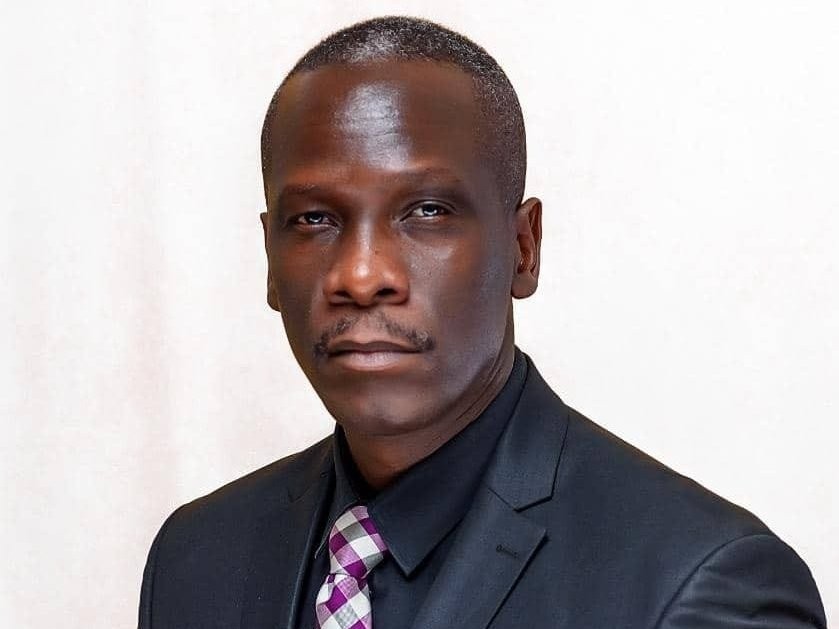
Veteran TV host Mitch Egwang has given Kenyans a rare look into the enormous financial scale behind Tusker Project Fame, one of East Africa’s most memorable television talent competitions. Speaking during a candid interview for the Financially Incorrect series, Egwang discussed the career opportunities that came with the show, the money involved in producing it and the financial mistakes that later taught him difficult lessons. His revelations have left many Kenyans shocked, particularly his claim that Tusker Project Fame cost around KSh 600 million per season to produce. The veteran broadcaster also recalled negotiating a $90,000 deal with DSTV after deliberately naming a figure he thought might scare the company away. Beyond the impressive numbers, however, Egwang’s story also covered fame, financial losses, relationships and the decades it took him to develop a stronger understanding of money.
Egwang’s connection with Tusker Project Fame began when he joined the show in its second season, at a time when the programme was quickly becoming a major force in East African television. He recalled initially pitching for about $2,000 per episode, a figure that reflected his growing confidence in his abilities as a television presenter. Before reaching the heights associated with TPF, he had already secured performance-related deals worth between $2,000 and $2,500 per month. He said such negotiations happened roughly 25 years ago and played an important role in establishing his reputation as a serious television personality. His career trajectory demonstrates how opportunities in broadcasting can change rapidly when a presenter becomes associated with a successful programme.
Tusker Project Fame eventually became much bigger than a conventional television talent show, attracting audiences across several East African countries and turning its presenters and contestants into household names. Egwang recalled the scale of his popularity during the programme’s peak, saying that he would sometimes land at the airport in Kenya and find people asking him for autographs. The programme reportedly became the highest-rated show on Saturday and Sunday across East Africa during its strongest period. Its popularity helped create a powerful platform for aspiring musicians while giving presenters such as Egwang significant visibility. For viewers who remember the show, his account provides an indication of just how much commercial and cultural weight Tusker Project Fame carried at its peak.
One of the most striking revelations from the interview involved the negotiations that resulted in a $90,000 deal with DSTV. Egwang explained that he intentionally quoted a high figure because he wanted to test how much the opportunity was actually worth. Rather than asking for an amount he believed would be easily accepted, he decided to name a number that could potentially end the conversation. His strategy ultimately worked, turning what began as a gamble into a significant career and financial opportunity. The story offers an interesting insight into the importance of understanding your value when negotiating professional contracts, particularly in an entertainment industry where talent and popularity can command substantial fees.
The financial scale of Tusker Project Fame itself was even more eye-catching. Egwang said the programme cost approximately KSh 600 million per season to produce, which he estimated at around $6 million at the time. Such a budget illustrates the level of investment required to operate a major regional television production involving contestants, presenters, production crews, technical equipment, accommodation, logistics, broadcasting infrastructure and promotional activities. It also helps explain why a programme of TPF’s size could have such a significant impact on the East African entertainment industry. The figures have prompted many Kenyans to reflect on how much money went into creating a television show that became an important part of popular culture.
However, Egwang’s financial story was not defined entirely by major deals and career success. He also opened up about one of the biggest financial setbacks of his life, which came after he organised a major concert featuring Kenyan rapper Madtraxx alongside Jamaican artists Wayne Wonder and Demarco. He described the event as taking place at what he considered the biggest venue available at the time. His financial calculations required between 15,000 and 20,000 people to attend for the concert to break even. Instead, only around 2,000 to 2,500 people reportedly showed up, leaving him facing a loss of about USh 1.3 billion.
Egwang attributed part of the disastrous outcome to overconfidence, openly admitting that he had become too confident in his ability to draw a large crowd. The experience demonstrates how quickly a major entertainment project can become financially damaging when projected attendance does not match reality. Organising concerts involves substantial upfront expenses, including artist fees, venue costs, marketing, production, security and logistics. When ticket sales fall far below expectations, those costs can become difficult or impossible to recover. For Egwang, the concert became a painful lesson in the difference between professional success and financial risk management.
His reflections on money were equally revealing because Egwang did not present himself as someone who had always understood how to manage wealth. He estimated that it took him between 35 and 40 years to become genuinely financially literate. That admission adds another dimension to his story because earning significant amounts of money does not automatically mean knowing how to protect or grow it. Entertainment careers can involve periods of substantial income followed by uncertainty, making financial planning particularly important for people working in the industry. Egwang’s experience shows how lessons about money can come through both successful negotiations and expensive mistakes.
The interview also moved beyond career and finances to explore the personal sacrifices that came with Egwang’s demanding professional life. He revealed that there was a period when he went an entire year without speaking to his partner. The revelation highlights the less visible consequences that can accompany an intense career, particularly in television and entertainment, where long hours, travel, public appearances and professional commitments can consume significant amounts of time. Financial success and public recognition can therefore come with personal challenges that audiences rarely see. Egwang’s willingness to discuss that period adds a more human dimension to a career often remembered primarily through television appearances and professional achievements.
Kenyans’ reaction to Egwang’s revelations reflects the enduring interest in Tusker Project Fame and the personalities who helped make it successful. For many viewers, the programme remains closely associated with a period when regional television talent shows attracted huge audiences and created stars across East Africa. Learning that the production could cost hundreds of millions of shillings per season provides a new perspective on what viewers saw on screen. His $90,000 DSTV negotiation and the massive loss from his concert also reveal the financial opportunities and risks that can exist behind entertainment success. Egwang’s story ultimately goes beyond the numbers, offering a candid account of ambition, fame, financial mistakes, personal sacrifice and the long process of learning how to manage money.