
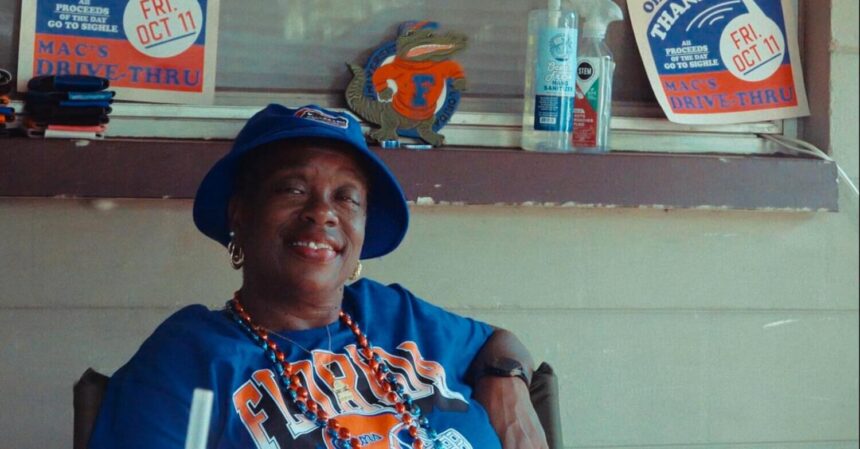
Netflix has acquired the award-winning documentary short One Last Order for global release, bringing a powerful story produced through a Kenya and United States creative partnership to audiences around the world. The film was produced by Kenya’s LBx Africa and New York-based Insignia Films and is co-directed by acclaimed Kenyan filmmaker Sam Soko and American filmmaker Lauren DeFilippo. Their latest collaboration follows the deeply personal story of Sighle Williams, a beloved worker whose 37 years at the window of Mac’s Drive-Thru in Gainesville, Florida, turned an ordinary workplace into a place of connection and community. The Netflix acquisition represents another significant step for African filmmakers whose work continues to reach international audiences through major streaming platforms. It also highlights the growing ability of African production companies and filmmakers to participate in stories that have a universal emotional appeal.
One Last Order focuses on Williams’ farewell after nearly four decades of serving customers at Mac’s Drive-Thru. While the setting may appear ordinary, the documentary explores the extraordinary human connections that can develop through simple daily interactions. Williams became a familiar and valued presence in the Gainesville community, greeting customers through the drive-thru window and leaving a lasting impression on generations of people. The film captures the emotions surrounding her departure while examining the relationships and memories built over decades of service. Through this intimate story, the filmmakers demonstrate how an everyday job can become a meaningful part of a community’s identity and collective memory.
Soko and DeFilippo bring an established creative relationship to One Last Order, having previously worked together on the documentary feature Free Money. That film, which is also available on Netflix, explored complex real-life issues in Liberia and demonstrated the filmmakers’ ability to find compelling human stories within larger social and economic realities. Their return to collaboration with One Last Order shows the strength of a partnership built around character-driven documentary storytelling. Soko has also become an increasingly recognised figure in African documentary filmmaking, with his work often connecting personal experiences to broader questions about society and human relationships. DeFilippo brings her own documentary experience to the partnership, creating a creative team capable of presenting intimate stories to international audiences.
The filmmakers have described One Last Order as a story that goes beyond the farewell of one employee. In their statement, Soko and DeFilippo explained that they travelled a long way to tell a story centred on a burger drive-thru in Gainesville, only to discover something much deeper in the daily interactions taking place there. They were drawn to the way Williams created moments of joy and connection with people who arrived at the window for something as ordinary as a meal. That observation became central to the documentary’s emotional appeal and helped the filmmakers transform a simple premise into a story about kindness, community and human connection. Netflix’s decision to acquire the film now gives that story an opportunity to reach viewers far beyond the community where Williams spent much of her working life.
One Last Order had already built an impressive reputation before its Netflix acquisition through an international festival run. The documentary received the Grand Jury Prize for Documentary Short at the Nantucket Film Festival, along with the Audience Award and Teen View Award. It also won the Jury Award for Documentary and Audience Award at Aspen Shortsfest, demonstrating that the film connected with both professional juries and festival audiences. At the Miami Film Festival, it received the Audience Short Film Award, adding another major recognition to its growing list of honours. These awards helped establish the documentary as a standout short film and likely contributed to the wider attention surrounding its international distribution.
The film’s success is also significant for LBx Africa, the Kenyan production company behind the project. Its involvement demonstrates how African production companies can collaborate with international partners to develop documentaries that travel successfully across borders. According to LBx Africa, the Netflix acquisition reflects the strength of international creative co-productions and demonstrates the ability of African storytellers to shape narratives with universal relevance. The company has increasingly been associated with documentary projects that combine African creative talent with international production and distribution networks. One Last Order adds another achievement to that wider movement and reinforces the importance of partnerships in bringing African filmmaking to global audiences.
The Netflix acquisition also places renewed attention on Sam Soko’s growing international profile. The Kenyan filmmaker has built a body of documentary work that has received recognition beyond Africa, including his previous collaboration with DeFilippo on Free Money. His involvement in One Last Order shows his ability to move between stories rooted in different geographical settings while maintaining a strong focus on human experiences. The documentary’s setting in Florida may differ from the subjects of his earlier African-focused work, but the film’s interest in people, community and lived experience remains consistent. Its global release could introduce Soko’s work to an even broader Netflix audience while strengthening his position within the international documentary filmmaking community.
Netflix has also acquired another documentary short connected to African filmmaking, An Open Field, directed by South African filmmaker Teboho Edkins. The 38-minute documentary had its world premiere in the Short Documentary Competition at the International Documentary Film Festival Amsterdam in 2025. It subsequently won the IDFA Award for Best Short Documentary, giving it significant recognition within the international documentary circuit. The film follows Edkins and his father, producer Don Edkins, as they return to the Ethiopian site where Edkins’ younger brother Max Thabiso Edkins and 156 other people were killed in the Boeing 737 MAX crash in 2019. Their return brings them into contact with a local community that continues to mourn alongside the families of those who died.
An Open Field is produced by Don Edkins through Day Zero Films and co-produced by Carine Chichkowsky through Survivance. Its acquisition alongside One Last Order creates an interesting connection between two documentary projects that explore grief, memory, community and human relationships in very different circumstances. While One Last Order centres on a celebratory farewell after decades of service, An Open Field confronts the lasting effects of tragedy and collective mourning. Both films rely on personal stories to explore experiences that can resonate with audiences regardless of where they live. Their arrival on Netflix could therefore give viewers access to two distinct African-linked documentary voices while demonstrating the wide range of stories being developed by filmmakers from the continent and its diaspora.
There is also a deeper creative connection between the filmmakers involved in the two Netflix acquisitions. Don Edkins previously co-produced Akuol de Mabior’s South Sudanese documentary No Simple Way Home alongside Sam Soko and Tiny Mungwe. That film, which involved LBx Africa and STEPS as co-production partners, premiered in the Panorama section of the Berlinale in 2022. The connection demonstrates how documentary filmmaking often operates through long-standing creative relationships that cross national and production boundaries. These collaborations have helped create a network of African filmmakers, producers and production companies capable of taking locally rooted stories to major international festivals and audiences. Netflix’s latest acquisitions bring several of those interconnected creative voices into the same global distribution ecosystem.
The global release of One Last Order is an important development for Kenyan documentary filmmaking and for the wider African film industry. The acquisition shows that a story produced through a Kenyan company can reach a worldwide streaming audience even when its subject is based outside Africa. It also demonstrates that African filmmakers do not have to limit their storytelling to stories set on the continent to contribute meaningfully to global cinema. Soko’s involvement in the film highlights the international reach of Kenyan creative talent and the value of African perspectives in documentary storytelling. As streaming platforms continue to shape how audiences discover films, opportunities like this can help African filmmakers reach viewers who might otherwise never encounter their work.
For One Last Order, the journey from an intimate story at a Florida drive-thru to an award-winning festival documentary and now a Netflix acquisition represents a remarkable progression. The film’s success has been driven by a simple but powerful focus on a woman whose decades of service created lasting relationships within her community. Its festival awards established its critical and audience appeal, while the Netflix acquisition opens the door to a much wider international audience. Alongside An Open Field, the deal also highlights the strength of African-linked documentary filmmaking and the international networks supporting these productions. One Last Order ultimately stands as another example of how carefully told human stories can travel across borders, connect with different audiences and give African filmmakers an increasingly influential place in global documentary cinema.