

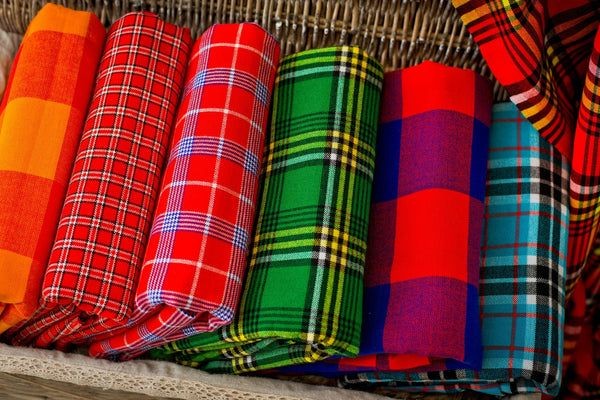
Kenya, known for its vibrant culture and diverse ethnic groups, boasts a tapestry of traditional clothing that reflects its deep-rooted heritage. These garments not only signify cultural identity but also embody craftsmanship, history, and a connection to the land. Here’s a glimpse into the top traditional clothing styles found across Kenya:
1. Maasai Shuka
Origin: Maasai Community
Description: The Maasai shuka is perhaps one of the most recognizable traditional garments in Kenya. It’s a versatile cloth worn by both men and women, typically in vibrant red or blue plaid patterns. The shuka serves various purposes, from clothing to blankets and even as decorative pieces during cultural ceremonies.
2. Kikoi
Origin: Coastal Communities (Swahili Culture)
Description: The kikoi is a rectangular piece of fabric worn predominantly by men along the Kenyan coast. It comes in colorful striped or checkered patterns and is often used as a wrap-around garment. Kikois are lightweight and breathable, making them ideal for the coastal climate.
3. Kanga
Origin: Swahili Culture
Description: The kanga is a rectangular piece of printed fabric with a border all around it, featuring intricate designs and often accompanied by a Swahili proverb or message. Kangas are worn by women across Kenya, primarily as wraps or dresses. They hold significant cultural symbolism and are often given as gifts during special occasions.
4. Kitenge
Origin: Various Ethnic Groups
Description: Kitenge, also known as chitenge or lesso, is a colorful fabric adorned with bold patterns and designs. It’s worn by both men and women across Kenya and East Africa, often as dresses, skirts, shirts, or head wraps. Kitenge fabrics are versatile and can be tailored into various modern and traditional styles.
5. Dashiki
Origin: West African Influence
Description: The dashiki, although originally from West Africa, has become popular among certain ethnic groups in Kenya. It’s a loose-fitting, brightly colored garment with ornate embroidery around the neckline and sleeves. Dashikis are worn during celebrations, cultural festivals, and as casual wear.
6. Isukuti
Origin: Luhya Community
Description: Isukuti is a traditional dance worn with specific attire during Luhya cultural ceremonies. Men wear a shirt called “Omutoti” and trousers, while women wear dresses made from colorful kitenge fabrics. Isukuti attire adds vibrancy to celebrations and plays a crucial role in preserving Luhya cultural identity.
7. Bogolan
Origin: Luo Community
Description: Bogolan, or “Bogoria,” is a traditional cloth worn by the Luo community during significant events. It features distinctive patterns dyed using natural dyes like plant extracts. Bogolan cloth signifies social status and cultural pride among the Luo people.
8. Rendille Beaded Skirts
Origin: Rendille Community
Description: Rendille women wear intricately beaded skirts as part of their traditional attire. These skirts are meticulously crafted with colorful beads and cowrie shells, showcasing the artisanal skills of Rendille women. The skirts are worn during ceremonies and important social gatherings.
9. Turkana Beaded Jewelry
Origin: Turkana Community
Description: Turkana women adorn themselves with elaborate beaded jewelry, including necklaces, bracelets, and earrings. These jewelry pieces are not only decorative but also hold cultural significance, often indicating a woman’s marital status, age, or social standing within the community.
10. Samburu Warrior Attire
Origin: Samburu Community
Description: Samburu warriors wear distinct attire featuring brightly colored shukas, beaded necklaces, and intricate beadwork on their hair and ears. The attire symbolizes bravery, cultural pride, and readiness for traditional rituals or ceremonies.
Preserving Heritage Through Clothing
Traditional Kenyan clothing serves as more than just attire; it’s a conduit for storytelling, identity preservation, and cultural continuity. Each garment and accessory carries centuries-old traditions, beliefs, and craftsmanship, making them invaluable cultural treasures. By embracing and celebrating these diverse clothing styles, Kenyans uphold their heritage and share their rich cultural tapestry with the world.