

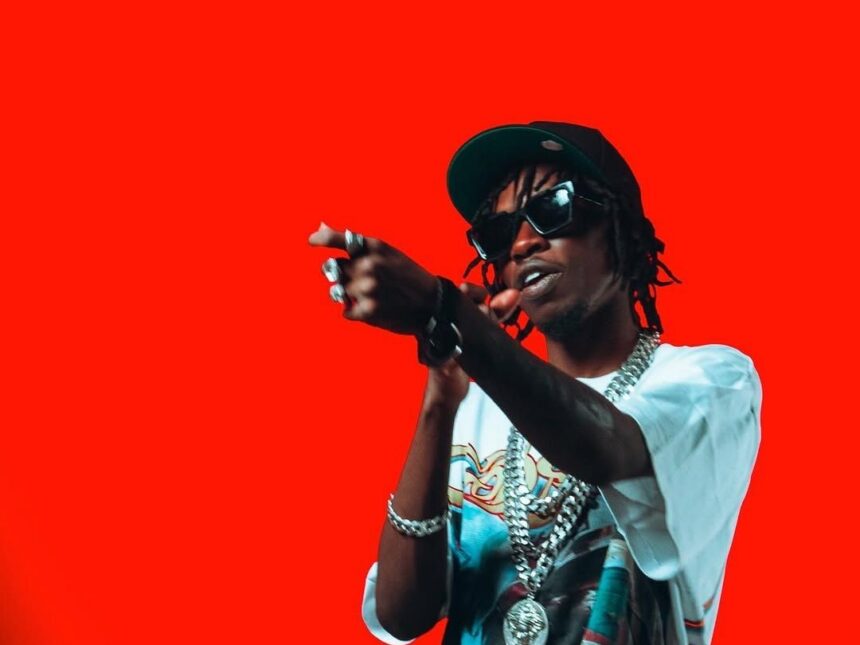
Toxic Lyrikali has responded after fans suggested he had lost momentum and backed down in his ongoing beef with Buruklyn Boyz. The debate intensified online after a fan claimed that Toxic had failed to secure a response from the group following his diss track “Bad Everyday.” The situation has drawn attention across Kenya’s hip hop scene, where lyrical battles often shape public perception and artist rivalry. Toxic’s response comes after weeks of speculation about whether the feud had slowed down or reached an unofficial end. The conversation has also revived earlier statements he made about how rap battles should be judged.
The feud between Toxic Lyrikali and Buruklyn Boyz has been closely followed by fans who enjoy competitive rap exchanges. At the center of the tension is Toxic’s earlier claim that the first side not to respond to a diss track automatically loses the battle. This statement raised expectations that every release would be met with a quick counter response. His track “Bad Everyday” was positioned as a direct challenge, with fans waiting for Buruklyn Boyz to reply in kind. However, no official response track has been released by the group, which led some listeners to assume that the exchange had stalled. Social media discussions quickly filled the gap, with different interpretations of what silence means in a rap beef.
Toxic Lyrikali addressed the claims by pushing back against the idea that he had lost or stepped away from the feud. He emphasized that the absence of a response from Buruklyn Boyz to “Bad Everyday” should not be misread as a defeat on his side. According to the narrative surrounding his statement, he believes the rules of engagement he set still stand. Fans who support him argue that his diss track was clear enough to demand a response, while critics say silence can also be a strategic move in rap battles. The back and forth has kept both names trending in hip hop conversations. It has also highlighted how audience perception often shapes the outcome of rap disputes more than official declarations.
Buruklyn Boyz have not issued a direct public response to the latest comments from Toxic Lyrikali, which has added more speculation to the situation. Some fans believe the group may be working on a structured reply, while others think they have chosen to ignore the challenge entirely. In rap culture, silence can sometimes be used as a tactic to avoid elevating a diss track. However, in battles driven by public attention, silence can also be interpreted as loss depending on audience sentiment. This uncertainty has kept the feud active in online discussions even without new music releases. The lack of closure has made the rivalry more about interpretation than direct exchange.
The ongoing situation between Toxic Lyrikali and Buruklyn Boyz reflects how modern hip hop beefs are shaped by both music and social media reaction. Statements made by artists are now judged instantly by fans who expect rapid responses and clear outcomes. Toxic’s claim that non response equals defeat continues to fuel debate among listeners who follow the culture closely. Whether or not Buruklyn Boyz choose to respond will likely determine how the public ultimately frames the feud. For now, the disagreement remains unresolved, with both sides maintaining attention in the Kenyan rap scene and keeping fans engaged through anticipation and speculation.