
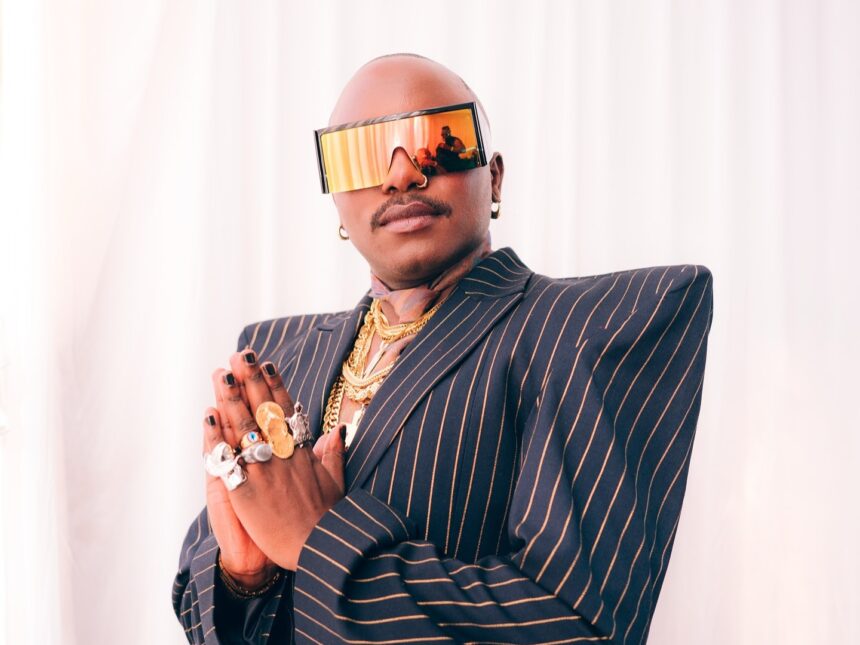
Sauti Sol band member Austin Chimano recently shared intimate details about his journey of coming out as gay, revealing how he navigated family, faith, and societal expectations. The singer, who had kept his personal life private for years, was outed when a picture of him and his male partner surfaced online. In an interview with the BBC, Chimano opened up about growing up and the conversations he had with his mother about his sexuality.
Chimano recalled that as a teenager, he often helped his mother pick out her outfits for work. He said this early closeness led his mother to question his behavior and eventually prompted her to ask about his sexuality. He admitted that he initially denied being gay, unsure of how to respond while living under her roof. The conversation eventually became emotional, with his mother confronting him about the possibility of people finding out before she did.
“It’s the wanting to be sure and wanting to help. But it is not the kind of help that you would think you were going to receive,” Chimano said. He described how the discussion included references to religion, culture, and societal expectations, with his mother asking whether he was willing to change. At the time, he said he agreed out of pressure, not understanding what else to say.
Chimano emphasized that despite the initial tension, he received love and support from his parents. He later reconfirmed his sexuality to them, insisting that he needed his life to be understood on his own terms. “Here we are, I am gay, again, and it is not going anywhere. I would like you to understand that,” he stated. He explained that he wanted his family to actively learn about his life rather than expecting him to teach them.
The singer’s story highlights the challenges of coming out in a conservative and religious environment. Chimano’s honesty about his experiences reflects the balance between family, faith, and personal identity. By sharing his journey, he has sparked important conversations around acceptance, understanding, and the realities faced by LGBTQ+ individuals in Africa.