

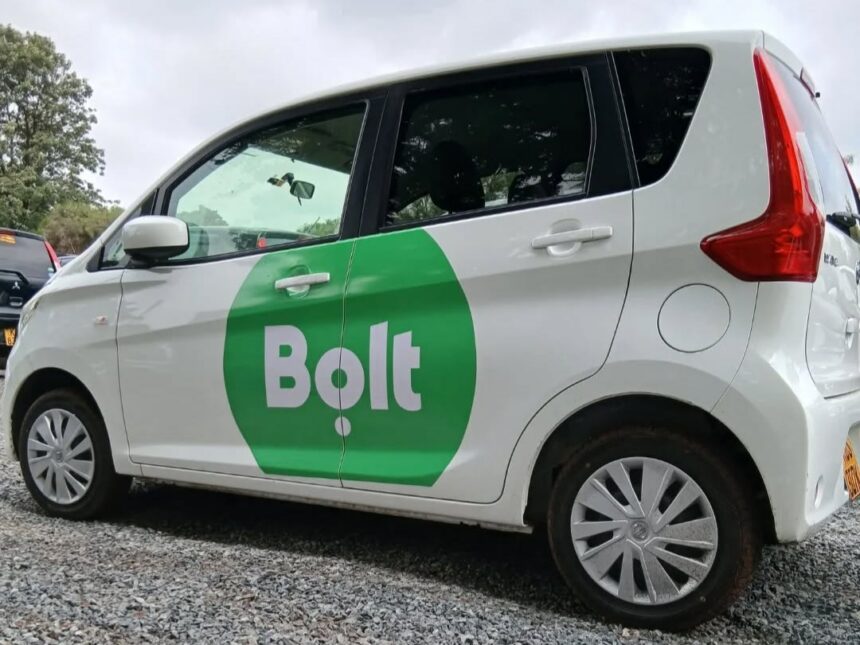
Ride-hailing company Bolt has dismissed circulating claims on social media that it plans to exit the Kenyan market next week. The company described the reports as false and misleading, warning users not to rely on unverified documents shared online. The clarification comes after a fraudulent notice began spreading across messaging platforms and social networks, claiming the company would cease operations in Kenya on June 8, 2026. Bolt moved quickly to address the rumours and reassure both drivers and customers that services remain active. The company emphasized that its operations are stable and unaffected by the circulating claims. The statement was aimed at restoring confidence and preventing unnecessary panic within its user base.
In an official statement released on June 1, Bolt confirmed that it had become aware of a fake document falsely presented as an internal communication from the company. The notice allegedly suggested that Bolt would shut down its Kenyan operations within days, sparking confusion among users and driver-partners. According to the company, the document did not originate from Bolt Kenya or any authorised representative. The clarification was issued by Dimmy Kanyankole, Bolt Senior General Manager for East Africa, who urged the public to verify information before sharing it. He stressed the importance of relying only on verified communication channels for accurate updates. The company’s response highlighted how quickly misinformation can spread and create disruption in digital service markets.
Bolt categorically rejected the claims and stated that it remains fully operational in Kenya. The company reassured driver-partners and customers that there are no plans to exit the country’s ride-hailing sector. It emphasized its continued commitment to providing transport services and supporting income opportunities for thousands of drivers. The firm noted that its platform continues to function normally across all active regions in Kenya. By addressing the issue directly, Bolt aimed to eliminate uncertainty and reinforce trust among its users. The message was clear that day-to-day operations remain unchanged despite the online rumours.
The company also confirmed that it has launched investigations into the origin of the fake document. Bolt stated that it will take appropriate action against individuals or groups responsible for creating and spreading misleading information. The investigation is expected to focus on identifying how the document was produced and how it gained traction online. The company expressed concern over the growing trend of digital misinformation targeting major brands and service providers. Such incidents can create confusion, damage reputations and disrupt business continuity if not addressed quickly. Bolt’s response reflects a broader effort to protect both its platform integrity and its user community.
To further calm concerns, Bolt reiterated its long-term commitment to the Kenyan market. The company stated that it remains focused on delivering safe, reliable and innovative mobility services. It also highlighted its role in supporting economic opportunities for driver-partners who depend on the platform for daily income. Bolt urged the public to disregard the fake document entirely and avoid sharing unverified claims. Users were advised to rely only on official updates shared through the company’s website, verified social media accounts and the Bolt app. This approach, the company said, helps ensure accurate communication and reduces the spread of misinformation.
The incident underscores the growing challenge of false information circulating on digital platforms. In this case, a fabricated notice briefly created uncertainty among users who depend on ride-hailing services for transport and income. Bolt’s swift response helped stabilise the situation and clarify its position in the market. The company’s firm denial reinforced its continued presence in Kenya and its commitment to service delivery. As misinformation continues to spread easily online, Bolt’s message highlights the importance of verifying sources before sharing sensitive claims. The company remains operational in Kenya and focused on maintaining its services without interruption.