

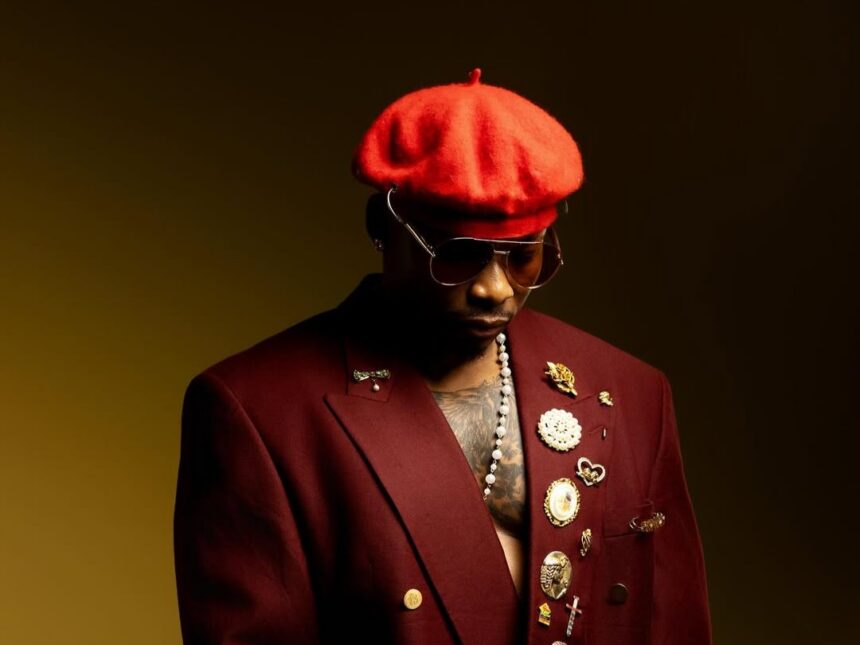
Kenyan RnB singer Otile Brown has found himself at the center of an industry debate after releasing a new song announcement just two days after dropping his collaboration “PM” with Willy Paul. The move has drawn public discussion about whether the artist is spreading his focus too thin across multiple projects. Radio presenter Tony Mwirigi questioned the timing, suggesting that Otile Brown should have prioritized promoting “PM” before shifting attention to another release. The debate has placed Otile Brown’s promotional strategy under scrutiny among fans and industry observers. It has also reignited conversations about how artists manage visibility in Kenya’s fast-moving music scene.
The collaboration “PM” was highly anticipated before release, largely due to the strong fan bases of both Otile Brown and Willy Paul. Many listeners expected the track to dominate airwaves and streaming platforms, given the star power involved. In the current digital music landscape, collaborations require sustained promotion to maintain momentum after launch. This includes consistent radio play, interviews, playlist placements and social media engagement. Without this ongoing support, even major releases can quickly lose visibility.
Otile Brown’s decision to introduce another upcoming project shortly after “PM” has raised questions about whether the collaboration is receiving enough promotional attention. Critics argue that songs of this scale need time to build traction before an artist moves on to the next release. The concern is that early distraction can reduce the long-term performance of a track, especially in competitive streaming markets. Industry voices like Tony Mwirigi have pointed out that strong releases often depend on extended marketing cycles. From this perspective, focus and timing are as important as the music itself.
At the same time, Otile Brown has built his career on consistency and frequent music drops. His strategy has kept him relevant in the East African RnB scene, where audience attention shifts quickly. Regular releases allow him to stay visible and maintain engagement with fans throughout the year. However, this approach also creates pressure to balance multiple projects at once. While frequent output keeps momentum high, it can also divide attention between new material and recent collaborations.
The debate surrounding Otile Brown also reflects broader changes in how music is consumed today. Streaming platforms have made it easier for artists to release content frequently, but they have also shortened the lifespan of individual songs. Listeners move quickly from one release to another, forcing artists to compete for attention immediately. In this environment, promotional timing becomes a key factor in determining whether a song succeeds or fades early. Collaborations like “PM” often require longer promotional windows to fully maximize their reach.
Fans have responded with mixed reactions to Otile Brown’s release pattern. Some believe “PM” should have been given more time to grow before another announcement shifted focus. Others support his approach, arguing that constant releases are necessary to remain competitive in today’s music industry. The discussion has played out widely on social media, where fans continue to debate the best strategy for sustaining success. This engagement has kept Otile Brown at the center of online conversations even beyond the music itself.
Otile Brown’s announcement of new music described as “some grown music” has also added to anticipation around his next release. This has created a split focus among fans who are now watching both the collaboration with Willy Paul and his upcoming solo project. Despite the debate, both releases continue to generate attention and keep Otile Brown in the spotlight. His position as one of Kenya’s most consistent RnB artists ensures that every move he makes draws public interest. The situation highlights how closely his audience follows both his creative output and career decisions.
As discussions continue, Otile Brown remains a key figure in shaping conversations around music promotion strategies in Kenya. The response to “PM” and his rapid follow-up announcement has shown how timing can influence public perception of an artist’s work. Whether his strategy proves successful will depend on how both projects perform over time in streaming numbers and audience engagement. For now, the debate has reinforced his visibility and kept focus firmly on his evolving music journey.