

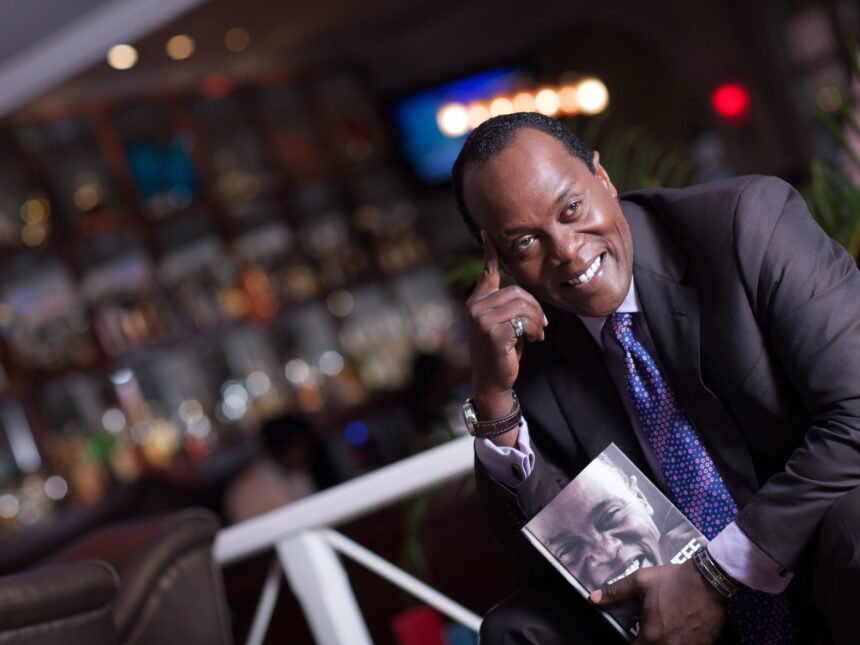
Veteran Kenyan journalist Jeff Koinange has joined millions of people around the world in mourning the death of country music icon Dolly Parton. Parton died on Tuesday, August 25, 2026, at the age of 80 after a brief battle with cancer at a hospital in Nashville, Tennessee. Her death has triggered an outpouring of grief from fans, musicians, public figures and political leaders who recognised her extraordinary contribution to music and popular culture. Koinange shared a deeply personal tribute that reflected the influence Parton’s music had on his generation. His message captured the affection many African listeners developed for the American singer despite being thousands of kilometres away from her home in Tennessee.
Koinange took to social media to remember Parton as an artist whose music formed part of the soundtrack of his generation. In his emotional message, the journalist recalled growing up listening to her sweet ballads and suggested that her music had played a formative role in the lives of many people. He described Parton as someone who had practically raised a generation through her music and the values she represented. Koinange also wished the singer peace in the afterlife and referenced her famous musical connection with the late Kenny Rogers. His tribute demonstrated that Parton’s influence extended well beyond country music audiences in the United States.
The reference to Kenny Rogers added a particularly emotional dimension to Koinange’s farewell. Parton and Rogers shared one of country music’s most recognisable partnerships, most famously through their hit song Islands in the Stream. Their musical chemistry helped make the song a lasting favourite among audiences around the world. Rogers died in 2020, making Koinange’s imagined reunion between the two singers in heaven especially poignant. For listeners who grew up with their music, the reference brought together two artists whose voices and performances became closely associated with an important period in popular music.
Parton’s death marks the end of an extraordinary career that spanned generations and crossed musical boundaries. She became one of the most recognisable figures in country music through her distinctive voice, songwriting ability and unmistakable personality. Her career also extended into acting, business, philanthropy and entertainment, allowing her influence to reach audiences who may not have been traditional country music fans. Songs associated with her career became international favourites and helped establish her as an enduring cultural figure. Her ability to connect with audiences through stories about love, family, hardship, ambition and resilience contributed significantly to her lasting appeal.
News of Parton’s death was confirmed after she passed away peacefully surrounded by family at Vanderbilt-Ingram Cancer Centre in Nashville. Her family said she had been battling cancer, although the specific type was not disclosed publicly. Her nephew Bryan Seaver was reported to have first announced the news through Parton’s official social media platforms before her publicist and estate issued formal confirmation. The family also indicated that funeral arrangements would remain private and intimate. The decision reflects the family’s desire to grieve away from the intense public attention that has surrounded Parton’s life and career.
Parton’s death came after a difficult period in her personal life. Her husband, Carl Dean, died just over a year before her passing following 59 years of marriage. The couple had maintained a famously private relationship despite Parton’s enormous public profile, and Dean remained an important part of her personal life throughout her career. Parton had reportedly acknowledged shortly before her death that she had spent considerable time prioritising her husband’s care while putting her own health needs aside. Her decision to focus on her wellbeing in the final days of her life offered another glimpse into the personal challenges she faced away from the stage.
Parton publicly addressed her health concerns on August 21, only days before her death. She explained that she had been taking time to deal with health matters that she had previously placed on the back burner. Her comments gave fans an indication that she was facing a serious period in her life even as many continued to hope for her recovery. The subsequent announcement of her death therefore came as a major shock to audiences around the world. For people such as Koinange who had followed her career for decades, the news represented the loss of an artist whose music had remained present throughout different stages of their lives.
The response to Parton’s death has also highlighted the remarkable international reach of her music. Although she was strongly associated with the American country music tradition, her songs travelled across borders and became familiar to listeners in many parts of Africa. Kenyan audiences were among those who encountered her music through radio, television, recordings and other forms of popular culture. Her voice became familiar to people who may never have visited Nashville or followed the American country music industry closely. Koinange’s tribute reflects this international connection and shows how Parton’s work became part of the personal memories of people far outside the United States.
Parton’s influence was not limited to the songs she performed herself. She was also an accomplished songwriter whose compositions were recorded by numerous other performers. Her songwriting demonstrated an ability to turn personal experiences and observations into stories that connected with broad audiences. She frequently addressed themes that were easy for listeners to understand regardless of their nationality or cultural background. This universal quality helped her music remain relevant across decades as musical styles and audience preferences changed. Her career demonstrated that strong storytelling and emotional honesty can allow music to travel far beyond its original cultural setting.
The tributes following her death have also focused on Parton’s character and public image. She was widely recognised for combining a larger-than-life personality with warmth, humour and an ability to connect with ordinary people. Her public career was built around music, but she also developed a reputation for philanthropy and community initiatives. These efforts strengthened the perception of Parton as an entertainer who used her success to support causes beyond the music industry. As fans remember her career, her impact will therefore be measured not only through record sales and awards but also through the people and communities touched by her work.
US President Donald Trump also honoured Parton’s memory by ordering American flags to fly at half-staff for one week. The gesture reflected the scale of her cultural influence and the significance of her death in the United States. Parton’s career had become intertwined with American popular culture over several decades, making her passing an important national moment. The presidential tribute placed her alongside figures whose contributions were considered significant enough to warrant a formal national acknowledgement. It also demonstrated that the response to her death extended beyond the entertainment industry.
For Koinange, however, Parton’s passing appears to have been more personal than a simple news event. His words reflected the experience of someone who had grown up with her music and developed an emotional connection to the songs she performed. By describing how her music had helped raise his generation, he captured the way artists can become part of people’s childhoods and formative years. His reference to Parton’s meeting with Kenny Rogers in the afterlife also reflected the affection audiences continue to have for both performers. The tribute offered a reminder that the influence of a musician can continue long after the final performance.
Dolly Parton’s death leaves behind a musical legacy that will continue to influence listeners across generations and continents. Her career demonstrated the power of songwriting, storytelling and a distinctive artistic identity, while her work outside music expanded her influence even further. Jeff Koinange’s emotional tribute reflects the deep connection that many people formed with her music during their younger years. For African listeners who discovered her songs far from Nashville, her passing represents the loss of an artist who became part of their own musical memories. As tributes continue around the world, Parton’s voice, songs and legacy will remain an enduring part of global music history.