

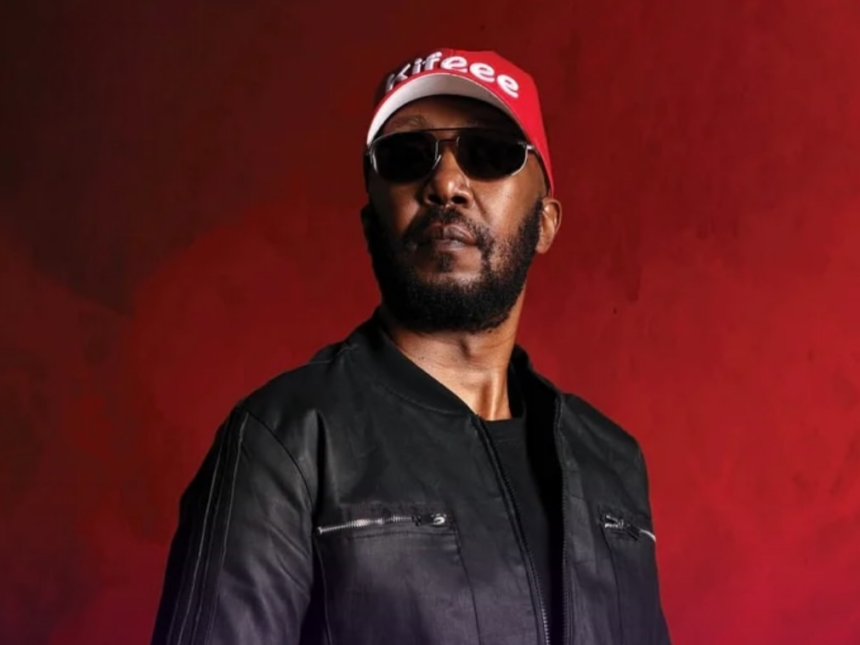
Andrew Kibe has announced a major shift in how he will engage with podcast platforms, stating that he will now charge a fee for any appearance on other people’s shows. The announcement has sparked widespread discussion across social media, especially among content creators and podcast hosts who regularly feature guests. Kibe made it clear that he will no longer participate in podcast interviews for free, positioning his time and voice as a paid service. He also emphasized that his conditions include full freedom to express his views without any form of censorship or content control. The move has added another layer to his already controversial public image and outspoken media style.
In his statement, Kibe explained that he believes his commentary and presence carry value that should be compensated. He argued that many platforms benefit from his name recognition and the engagement he generates, which justifies charging for appearances. Alongside the financial demand, he insisted that no host should attempt to filter or restrict his opinions during conversations. He positioned this as a matter of principle, stating that controlled conversations undermine authenticity and dilute his message. The announcement effectively sets two conditions for future collaborations, payment and editorial independence.
The reaction to his announcement has been divided, with some supporters agreeing that high profile media personalities should be compensated for their influence. Others have criticized the move, arguing that it may limit access to open discussions and reduce collaboration opportunities in the podcasting space. Some content creators expressed concern that smaller platforms may struggle to meet financial demands, potentially narrowing the range of voices in interviews. The added condition of no censorship has also raised questions about how podcast hosts will balance free expression with their own content standards. The debate highlights ongoing tensions in digital media between creator independence, platform control and monetization.
The development reflects a broader trend where online personalities are increasingly treating appearances as commercial services rather than casual engagements. It also underscores how influential figures like Andrew Kibe are reshaping expectations around media participation in the podcast era. As podcasting continues to grow as a major communication channel, negotiations around payment and creative control are becoming more common. The situation signals a shift in how interviews are valued and how influence is measured in digital spaces. Moving forward, podcast hosts and guests may need clearer agreements to avoid conflicts over compensation and content freedom.