

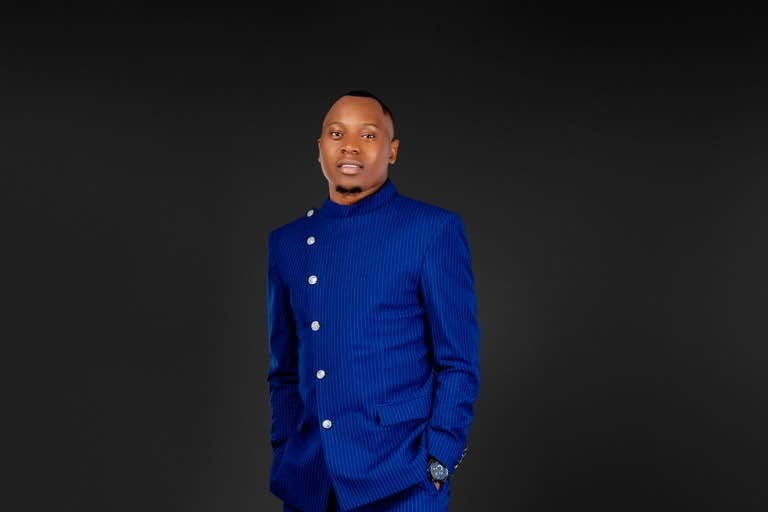
Kenyan TikToker Baba Talisha has finally addressed accusations questioning the authenticity of his KSh 2.5 million medical fundraiser after facing criticism from social media users and fellow content creators. The popular content creator raised more than KSh 2.5 million during a five-hour TikTok livestream to finance specialised eye treatment in India. However, what began as an emotional fundraising effort quickly attracted controversy, with some people questioning his medical condition, the documents presented and how the money would be used. The growing criticism prompted Baba Talisha to issue a public statement on Thursday, November 26, addressing the allegations and defending the people who supported him. He maintained that those who participated in the fundraising exercise knew the truth and insisted that he would not entertain what he described as fabricated stories.
In his Facebook statement, Baba Talisha expressed disappointment over the accusations circulating online. He suggested that some people were deliberately twisting the story to create confusion and make the intentions of those who supported him appear questionable. The TikToker maintained that he understood what had happened throughout the fundraising process and was confident that the truth would eventually emerge. He also made it clear that he had no intention of engaging in prolonged arguments with people spreading allegations. His message appeared directed at critics who had questioned the legitimacy of his medical appeal and the contributions made by well-wishers.
Baba Talisha wrote, “You can spread false information, twist narratives and create stories just to make people talk and question the intentions of those who stood by me. But one thing you cannot change is the truth.” He further insisted that the people who participated in the fundraising exercise understood what had taken place. According to him, he would rather allow time and facts to address the accusations than engage in online exchanges. He added that God knew the entire story and that he remained confident that the truth would eventually become clear. His statement ended with a strong message rejecting what he considered fabricated narratives.
The controversy began after Baba Talisha revealed that he was battling Acanthamoeba Keratitis, a rare and potentially serious eye infection. The condition affects the cornea, which is the transparent front part of the eye responsible for helping focus light. In severe cases, the infection can cause significant damage to the cornea and threaten a person’s vision. The condition is associated with a microscopic organism known as Acanthamoeba, which can be found in water, soil and other environmental sources. Baba Talisha’s medical situation reportedly became serious enough to require specialised treatment, including a possible cornea transplant in India.
The public first received detailed information about the severity of his condition through fellow content creator Karangu Muraya. On November 18, Karangu publicly disclosed that Baba Talisha had suffered serious damage to his left eye following the infection. He explained that the condition had affected the cornea and that a transplant abroad was necessary. The announcement raised concern among Baba Talisha’s supporters, many of whom expressed sympathy and offered to help with the medical expenses. As news of his condition spread, discussions began about how Kenyans could contribute towards the cost of treatment.
A major fundraising effort followed through a TikTok livestream held on Monday, November 23. The five-hour session attracted contributions from well-wishers who wanted to help Baba Talisha access the specialised medical care he needed. The original fundraising target was KSh 1.6 million, but the amount eventually exceeded expectations. By the end of the livestream, contributions had reached KSh 2,521,541. The achievement prompted emotional reactions from Baba Talisha, who expressed gratitude to everyone who participated in the appeal and helped raise the money.
However, the successful fundraiser also attracted scrutiny from social media users. Some critics questioned the authenticity of his medical documents and demanded more information about the diagnosis and proposed treatment. Others raised concerns after seeing footage that appeared to show him blinking normally, arguing that his appearance did not match their expectations of someone with a serious eye condition. These observations led to further discussions about the severity of his infection and whether the fundraising target was justified. However, the allegations and suspicions circulating online have not been independently verified, and social media speculation alone does not establish whether a medical condition or fundraising appeal is genuine.
The debate has also highlighted the challenges public figures face when seeking financial assistance online. Fundraising through TikTok, Facebook and other social media platforms has become an important way for Kenyans to mobilise support during medical emergencies and other difficult situations. Such campaigns can attract significant contributions within a short period because they allow supporters to respond directly to emotional appeals. At the same time, large fundraising efforts often attract questions about accountability, medical documentation and the intended use of donated money. Baba Talisha’s situation has demonstrated how quickly a charitable appeal can become a subject of public debate when supporters and critics disagree about the information presented.
The renewed criticism has also brought back memories of an earlier fundraising controversy involving the late TikToker Brian Chira. Following Chira’s death, questions emerged about the handling of contributions collected to support funeral arrangements and his family. Chira’s grandmother previously accused Baba Talisha of taking control of the funeral contributions and mishandling the remaining money. Baba Talisha denied those allegations. The earlier disagreement has resurfaced during the current controversy, with some social media users referring to the previous dispute while questioning his latest fundraising exercise. However, the earlier accusations and the current medical fundraiser allegations should not be treated as proof of wrongdoing.
Baba Talisha’s latest statement suggests that he is determined to avoid being drawn into endless online arguments. By insisting that the people who supported him know the truth, he appeared keen to defend the integrity of the fundraising effort without responding to every accusation individually. His decision has also generated discussions about whether public figures should provide additional documentation when receiving large amounts of money from well-wishers. For many supporters, transparency can help maintain confidence in charitable fundraising, particularly when medical emergencies involve substantial expenses. Clear communication about medical needs, treatment costs and the use of contributions can also help prevent misunderstandings.
The controversy surrounding Baba Talisha’s KSh 2.5 million medical fundraiser remains a developing public discussion, with questions about his condition and the allegations continuing to attract attention. The TikToker has firmly rejected claims that he misused the goodwill of Kenyans and maintains that the truth will eventually emerge. Meanwhile, the amount raised during his five-hour livestream demonstrates the willingness of many social media users to support someone facing a difficult medical situation. His case has also highlighted the importance of trust, accountability and responsible communication in online fundraising campaigns. As he continues addressing his health concerns, the focus remains on his recovery and the need for clarity surrounding the accusations that have followed his appeal.