

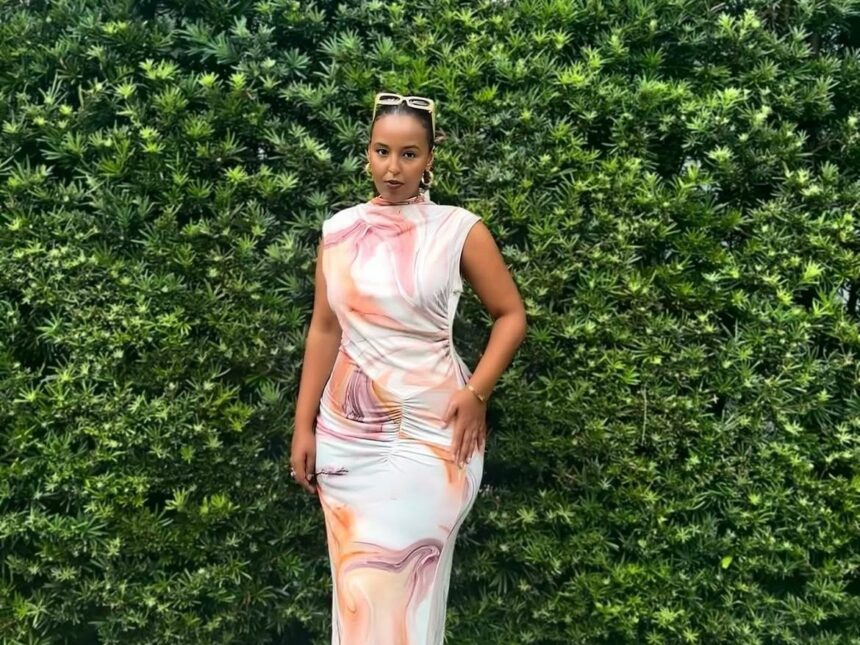
A dispute over creative ownership has erupted in Kenya’s music industry after creative director Faiza Hersi accused singer Anastasia Kirathe and video director Brian Obra of copying visual concepts and choreography from Ukweli and Xenia Manasseh’s “Rudia” music video for Anastasia’s latest song, “Karma.” Hersi raised the allegations publicly after sharing side by side comparisons that appeared to highlight similarities between scenes, movements and visual arrangements in the two productions. She gave Anastasia and her team 24 hours to remove “Karma” from circulation, warning that she would pursue legal action and seek a formal takedown if the video remained available. The accusations have since generated debate about originality, creative ownership and the responsibilities of artists and directors when developing visual concepts. Anastasia and Obra have both rejected the copying allegations, creating a dispute that now centres on whether the similarities are coincidental or evidence of creative appropriation.
Hersi’s accusations focus on elements that she says appear closely connected between the “Rudia” and “Karma” videos. Rather than simply claiming that the two productions share a general aesthetic, she presented side by side comparisons to draw attention to specific visual moments. These comparisons reportedly included choreography, positioning, framing and other creative elements that Hersi believes demonstrate similarities between the projects. Her decision to issue a 24-hour deadline indicates the seriousness with which she views the alleged similarities and her stated intention to protect the creative work associated with “Rudia.” The threat of legal action has also raised the stakes because the dispute could move beyond social media criticism into a formal copyright or intellectual property battle.
The controversy comes at a time when music videos have become an important part of an artist’s identity and promotional strategy. A successful music video can rely on a combination of choreography, cinematography, styling, locations, editing and carefully developed concepts to create a recognisable visual world around a song. Creative directors and video directors often spend significant time developing these elements before filming begins, particularly when a project requires a distinct visual identity. When another production appears to reproduce several of those elements, questions can arise about whether the similarities resulted from shared artistic trends or direct influence. Hersi’s decision to publicly compare the two videos suggests that she believes the similarities extend beyond ordinary creative overlap.
Anastasia Kirathe has denied the accusation and maintained that her team did not draw inspiration from any Kenyan music video when developing “Karma.” She said that every detail of the production was originally planned by her team, directly challenging the suggestion that the concept came from “Rudia.” Her response shifts the focus towards the creative process behind the production and whether the similarities identified by Hersi can be explained by independent creative decisions. Anastasia’s denial also means that the dispute currently involves conflicting accounts from the people behind the two productions. Without additional evidence about how “Karma” was developed, viewers are left to consider the comparisons alongside the explanations provided by both sides.
Video director Brian Obra has also rejected the allegation that he knowingly copied “Rudia.” According to his response, he had not watched the “Rudia” video before the accusations were made and only viewed it after Hersi raised the similarities publicly. His statement is significant because the director’s knowledge and creative process could become important if the dispute progresses into a legal matter. If Obra genuinely had no prior exposure to “Rudia,” that could support his position that the similarities were not the result of deliberate copying. However, determining whether two works infringe one another generally requires more than establishing whether a director personally watched the earlier work, as the specific similarities, creative elements and circumstances surrounding each production can all matter.
The accusations have also reignited discussion about how originality works within the Kenyan entertainment industry. Music videos frequently draw from global fashion, dance, film, photography and music trends, which means that similarities between productions can sometimes occur without direct copying. Certain camera angles, choreography styles, poses and editing techniques have become widely used across contemporary music videos. The difficult question is whether a production merely uses common visual language or reproduces distinctive creative choices associated with an earlier work. Hersi’s side by side comparisons are intended to demonstrate that the similarities between “Rudia” and “Karma” go beyond broad stylistic similarities, while Anastasia and Obra maintain that the creative decisions behind “Karma” were independently developed.
The 24-hour deadline issued by Hersi has added urgency to the dispute. By demanding that “Karma” be taken down within that period, she has made it clear that she does not consider a public denial sufficient to resolve the matter. Her warning that she could pursue legal action suggests that she is prepared to use formal channels if the alleged similarities are not addressed. A takedown could have significant consequences for the song because music videos play an important role in generating views, engagement and publicity for new releases. If the video were removed, the dispute could therefore affect Anastasia’s promotional campaign as well as the reputations of the creative professionals involved.
For Anastasia, the allegations come at a sensitive point because a new song and its accompanying video typically depend on early audience attention. Controversy can bring additional visibility to a release, but it can also shift public discussion away from the music itself. Instead of focusing on the song, fans may concentrate on comparisons between the two videos and the accusations made by the creative team behind “Rudia.” Anastasia’s denial attempts to draw a clear distinction between her creative process and the allegations of copying. How she and her team respond to any further claims could influence the direction of the dispute and the public perception surrounding “Karma.”
The situation also highlights the risks that artists and directors face when they produce highly visual content in an increasingly connected creative environment. Kenyan artists can access thousands of music videos from around the world for inspiration, while directors and creative teams regularly share ideas through social media platforms. This makes it increasingly important for production teams to document their creative development and establish clear records showing how concepts were created. Mood boards, treatment documents, choreography plans, storyboards and production notes can help demonstrate the development of a project if questions about originality later emerge. Strong documentation does not automatically settle a dispute, but it can provide useful evidence when parties disagree over the origins of a creative idea.
The response from Obra also adds another dimension to the debate because he has denied knowingly copying “Rudia” while stating that he only watched the video after the accusations surfaced. His position suggests that any similarities between the two projects were not intentional from his perspective. The distinction between intentional copying and independent creation could become important if the matter proceeds legally, although the legal assessment would depend on the applicable copyright principles and the specific works involved. Public opinion may also differ from a legal determination because viewers can perceive similarities even when a court would not find infringement. This means the controversy could continue to generate debate regardless of whether either party eventually takes formal legal action.
The dispute between Faiza Hersi, Anastasia Kirathe and Brian Obra ultimately raises broader questions about originality and respect for creative work in Kenya’s music industry. Hersi has made a serious accusation and backed it with visual comparisons, while Anastasia and Obra have firmly denied copying “Rudia” and have offered their own explanations for the similarities. At this stage, the competing claims do not by themselves establish that copyright infringement occurred, and any formal legal assessment would require a closer examination of the two productions and the evidence surrounding their creation. The 24-hour demand has nevertheless placed pressure on the “Karma” team to respond and has brought wider attention to the importance of protecting original creative concepts. As the dispute develops, the response from the involved parties and any potential legal proceedings will determine whether the controversy ends with an explanation or becomes a significant intellectual property case within Kenya’s entertainment industry.