

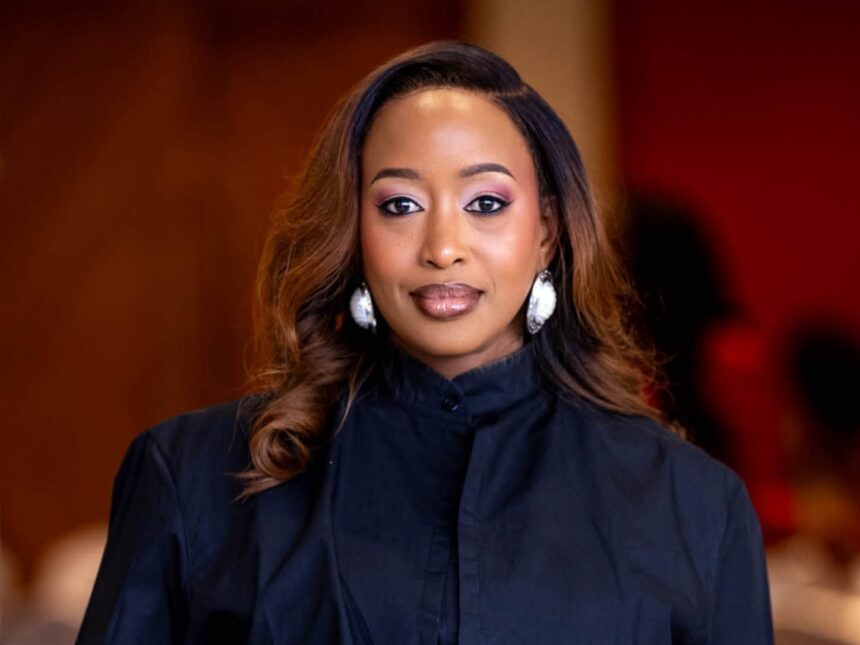
Former Citizen TV news anchor Janet Mbugua has sparked a heated debate after publicly questioning gospel singer Mercy Masika’s upcoming marriage masterclass designed exclusively for women. Mbugua raised concerns about the timing and message of the event, arguing that conversations about marriage should also address femicide, gender-based violence and the wider injustices affecting Kenyan society. Her criticism has drawn attention to a sensitive question about the role of women in preserving marriages and whether religious teachings place too much responsibility on wives. The discussion has also reopened debate about the church’s response to violence against women and children, as well as its role in supporting young people facing social and economic challenges. While some people may view marriage education as an important tool for strengthening relationships, Mbugua believes the conversation must also recognise the realities women face both inside and outside their homes.
Mercy Masika’s planned masterclass attracted attention because of its focus on helping women prepare for marriage and develop the qualities associated with being a wife. The session was promoted under the theme, “Becoming a wife for every woman who believes that marriage should not be miserable.” However, the announcement prompted criticism from women who questioned whether such a programme adequately considered the challenges affecting marriages and the broader experiences of women in Kenya. Mbugua joined the discussion through a video posted on her TikTok account, where she explained why she believed the criticism directed at the initiative deserved consideration. Her remarks focused on three main concerns, including the country’s ongoing struggles with gender-based violence, the perceived silence of religious institutions on social injustice and the expectation that women should take the lead in saving troubled marriages.
One of Mbugua’s main concerns was the social context surrounding the planned marriage masterclass. She argued that discussions about women’s roles in marriage should not be separated from the wider problems affecting women, children and young people across Kenya. She referred to reports of femicide, teenage pregnancies, defilement cases and the deaths and disappearances of young people following protests against the Finance Bill. These issues have generated public concern and raised questions about safety, accountability and the protection of vulnerable members of society. Mbugua’s argument was that conversations about marriage and family life should take these challenges into account rather than focusing only on how women can become better wives.
Femicide and gender-based violence have become important subjects in Kenya’s public conversation, with activists and members of the public calling for stronger measures to protect women and hold perpetrators accountable. The issue extends beyond individual relationships because it involves questions about public safety, access to justice and the response of institutions responsible for protecting citizens. For many women, discussions about marriage cannot be separated from concerns about domestic abuse, coercion and the pressure to remain in unhealthy relationships. Mbugua’s comments reflected the view that marriage education should recognise these realities and help women understand the difference between ordinary relationship difficulties and situations that threaten their safety. Her criticism therefore raised a broader question about whether marriage programmes provide enough attention to personal boundaries, mutual respect and the right to live free from violence.
Mbugua’s second concern focused on the role of the church in responding to social injustice. Having grown up in the church, she questioned what she viewed as the limited public response from some religious institutions to issues such as femicide and alleged extrajudicial killings. She argued that religious leaders should be willing to address the problems affecting their communities instead of concentrating primarily on personal and family matters. Her remarks also challenged the idea that questioning religious teachings or institutional decisions amounts to rebellion against faith. Mbugua maintained that asking difficult questions can be a genuine expression of concern, particularly when people believe that important social problems are not receiving sufficient attention.
The debate has highlighted the influence religious institutions continue to have on conversations about marriage, family responsibilities and women’s rights in Kenya. Churches often provide couples with premarital counselling, spiritual guidance and support during relationship difficulties. These services can help partners communicate more effectively and understand the responsibilities involved in building a stable family. However, concerns arise when religious advice appears to prioritise preserving a marriage over addressing abuse, manipulation or serious emotional harm. Mbugua’s criticism suggests that faith-based marriage programmes should make room for honest discussions about safety, equality and accountability, while recognising that spiritual guidance must not be used to dismiss legitimate concerns about mistreatment.
Her third and perhaps most contentious concern was the expectation that women should carry the responsibility of saving marriages. Mbugua questioned why marriage guidance programmes often appear to focus more heavily on women’s behaviour than on the responsibilities of men. She argued that a healthy marriage requires the participation of both partners, including a willingness to communicate, resolve disagreements and take responsibility for harmful actions. When only women are encouraged to change, forgive or make sacrifices, the relationship can become unequal and emotionally exhausting. Her comments challenged the assumption that a wife must do everything possible to preserve a marriage regardless of the circumstances.
Mbugua also criticised teachings in some religious settings that encourage women to endure difficult marriages without adequately discussing separation, divorce or professional counselling. The Swahili word “vumilia,” meaning to endure or persevere, often appears in conversations about patience and commitment in relationships. While perseverance can be valuable when couples face ordinary disagreements, it becomes a serious concern when women feel pressured to tolerate abuse or remain in unsafe environments. Marriage counselling should help partners identify problems, improve communication and decide on appropriate steps based on their circumstances. It should not make women feel that asking questions or seeking help automatically means they have failed as wives.
Her remarks also addressed the possibility that women who criticise marriage programmes may be dismissed as bitter, divorced or opposed to marriage itself. Mbugua rejected that framing, suggesting that the criticism was rooted in wider concerns about gender equality, public safety and the responsibilities placed on women. Her argument was that questioning the content or timing of a marriage masterclass does not necessarily mean rejecting marriage as an institution. Instead, women can support healthy relationships while demanding that discussions about marriage acknowledge violence, unequal expectations and the need for mutual responsibility. This distinction has helped shape the online debate, where the central issue is not simply whether marriage education is valuable but what such education should teach.
The controversy has also prompted questions about the timing of the event and whether a women-focused marriage masterclass can adequately address the challenges facing couples without a comparable emphasis on men’s responsibilities. Supporters of marriage education may argue that programmes designed specifically for women can provide a useful space to discuss personal growth, communication and expectations before marriage. Critics, however, may question whether the language used in such programmes places an unfair burden on women to prevent relationship breakdowns. Both perspectives point to the importance of examining the content of marriage education rather than judging its value solely by its intended audience. A more balanced approach would recognise that women and men have different experiences while making it clear that both partners share responsibility for building a respectful and safe relationship.
Mbugua also proposed a different way for religious institutions to contribute to society, suggesting that church resources could support social halls where young people learn business skills. The idea reflects a broader argument that faith communities can play a practical role in addressing unemployment, economic insecurity and the challenges facing young people. Business training, mentorship and access to community spaces can help young people develop skills that support their independence and future opportunities. Such initiatives would not replace the need for marriage counselling or spiritual guidance, but they could expand the church’s contribution beyond traditional religious activities. Her suggestion added another dimension to the discussion by asking whether religious institutions could do more to respond directly to the social conditions affecting the people they serve.
The public reaction to the disagreement between Janet Mbugua and Mercy Masika illustrates how conversations about marriage can quickly become discussions about women’s rights, religion and social responsibility. The debate does not necessarily mean that marriage masterclasses have no value or that every faith-based approach to relationships is harmful. Rather, it raises important questions about whether such programmes give adequate attention to consent, equality, emotional wellbeing and the right to leave unsafe situations. It also challenges religious leaders and relationship educators to consider how their messages may affect women who are dealing with difficult or abusive relationships. Ultimately, marriage guidance is most useful when it equips both partners with the knowledge and support needed to build healthy relationships without placing the entire burden on one person.
Janet Mbugua’s criticism of Mercy Masika’s upcoming marriage masterclass has brought important issues into focus, from femicide and gender-based violence to the church’s response to injustice and the unequal expectations often placed on women in marriage. Her central argument is that women cannot be expected to save marriages alone, particularly when broader social problems continue to affect their safety and wellbeing. Although marriage education can help couples develop stronger relationships, it must also recognise the importance of shared responsibility, professional support and protection from abuse. Religious institutions have an opportunity to contribute by offering balanced counselling, addressing social injustice and investing in practical programmes that support their communities. As the debate continues, the most meaningful outcome would be a broader conversation about building marriages and families founded on mutual respect, equality, accountability and safety for everyone.