
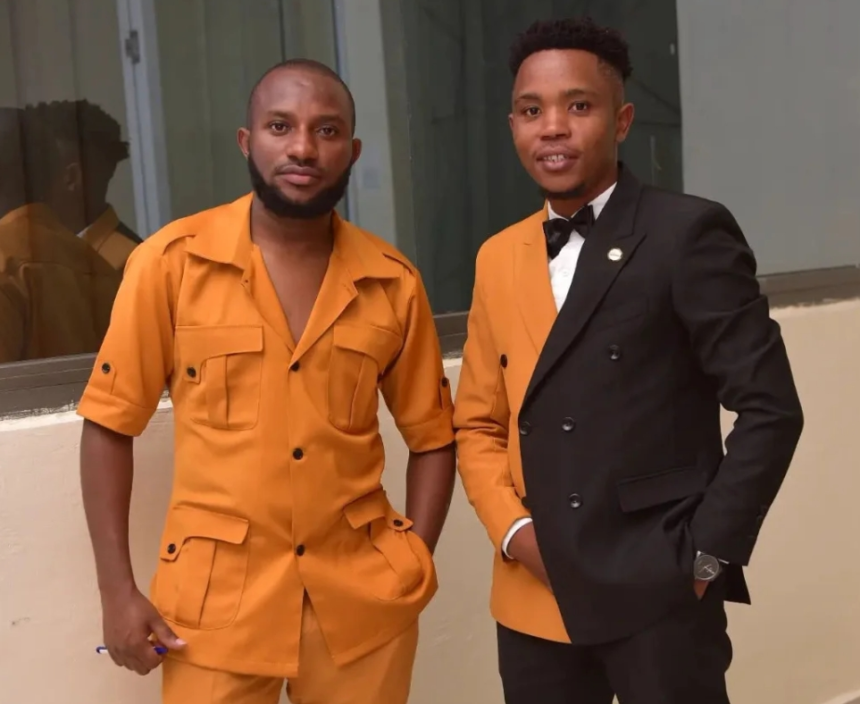
Comedians Sammy Kioko and Tom Daktari were arrested outside the Machakos County Government offices while protesting a payment dispute, drawing widespread attention to challenges faced by local service providers. The two had joined other demonstrators to demand justice for payments owed by the county, highlighting frustrations over delayed compensation for goods and services rendered. Fellow comedian Nasra Yusuf shared the news on Instagram, revealing that the duo had been attacked and beaten by county officials before being taken into custody. Earlier in the morning, Nasra had posted a video urging fans to support the protest, showing the public’s growing interest in the dispute. The incident has sparked debate on the limits of peaceful protest and the responsibilities of local government in resolving outstanding debts.
The arrest occurred as Kioko attempted to draw attention to the Sh19 million owed to his company, Movata Fashions, primarily for supplying uniforms to county security officers. According to Kioko, the payment has been delayed for an extended period despite his company fulfilling contractual obligations. At one point, he was forced to seek financial help from friends and fans to cover urgent family medical expenses, underscoring the personal impact of delayed government payments. Videos shared on social media depict masked men stalking Kioko and attempting to knock him down before his arrest, raising questions about the treatment of citizens advocating for their rights. The public response has ranged from support for the comedians’ cause to criticism of the manner in which the protest was handled by authorities.
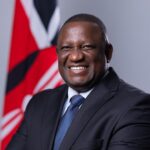
The dispute between Kioko’s company and Machakos County highlights systemic challenges in the way local governments handle contracts with private suppliers. Movata Fashions entered into the agreement with the county on April 15, 2024, and according to legal documents, the company fulfilled its obligations but has yet to receive payment. Delays in settling such contracts not only affect small businesses but also have wider economic implications for local communities. Senator Kavindu has called for Senate intervention to help resolve the dispute, emphasizing the need for transparency and accountability in county government dealings. The senator’s involvement reflects broader concerns about fair treatment of contractors and the protection of business interests at the county level.
This incident illustrates the risks that citizens and entrepreneurs face when pursuing justice for unpaid debts, especially when engaging directly with government institutions. It also underscores the importance of legal frameworks and enforcement mechanisms that ensure timely payment for services rendered. For comedians and entertainers like Kioko and Daktari, the protest demonstrates the role of public advocacy in amplifying grievances that might otherwise go unnoticed. At the same time, it highlights tensions between maintaining public order and respecting citizens’ rights to voice concerns. The situation has generated a national conversation about accountability, payment delays, and the treatment of peaceful protestors in Kenya.
The arrest of Sammy Kioko and Tom Daktari during their protest at Machakos County offices sheds light on the challenges faced by service providers seeking overdue payments from local governments. Kioko’s claim for Sh19 million and the lack of timely resolution have had personal and professional consequences, prompting public demonstrations. The call for Senate intervention emphasizes the need for institutional support to resolve such disputes and protect the rights of business owners. This case highlights the critical balance between civic activism, legal recourse, and government responsibility, serving as a reminder of the importance of transparency and accountability in public financial management.