

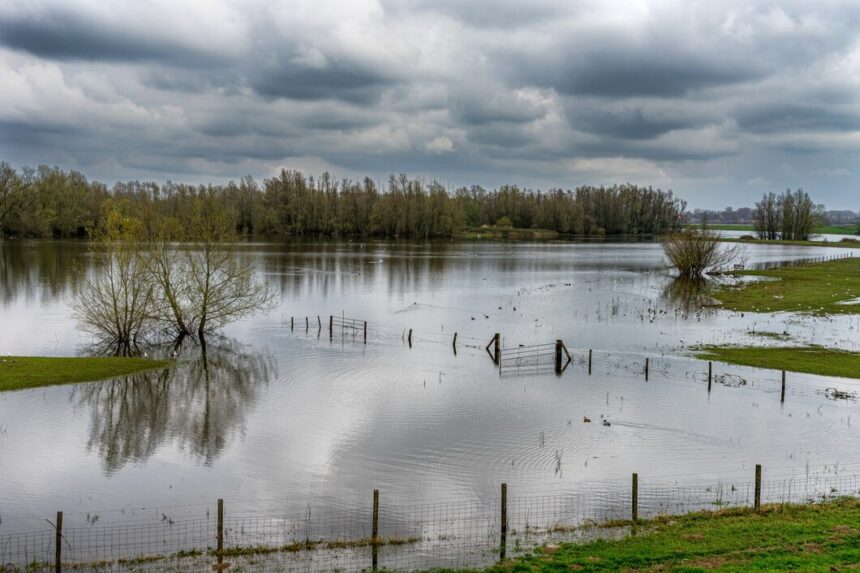
Kenya’s diverse natural landscape, including rivers, lakes, hills, and escarpments, contributes to its vulnerability to flooding. These physical features, along with human-induced factors, significantly elevate the risk of floods across various regions. As rainfall increases, especially during the wet seasons, the combination of topography, human activities, and changing climate patterns exacerbates flooding, displacing communities and damaging infrastructure.
This article explores the natural characteristics of Kenya’s landscape that heighten its flood risks, the human activities that further this vulnerability, the influence of climate patterns, and sustainable land-use practices that can help mitigate these risks.
Natural Characteristics that Make Kenya Prone to Floods
Kenya’s natural environment has several features that amplify flood risks, particularly in low-lying areas and regions close to rivers and lakes.
1. Low-Lying Areas
Kenya has numerous low-lying regions, which experience significant flooding during the rainy season. For instance, areas like the Kano Plains, Budalangi, and parts of the Tana River are particularly prone to floods due to their low elevation. For example:
- Kano Plains: Located between 1160 and 1300 metres above sea level.
- Budalangi Plain: 1,130 metres above sea level.
- Tana River: Ranges from sea level to 37 metres above sea level.
Such low-lying terrains lack the elevation needed to efficiently drain water, causing them to be submerged when heavy rains hit.
2. Heavy Rainfall in Upper Catchment Areas
Kenya’s upper catchment areas, such as the Aberdare Ranges and Mount Kenya, experience heavy rainfall. These areas, with annual rainfall of over 1,200mm, feed water into lower-lying plains. Rivers like the Nzoia, which runs through Budalangi, and the Tana River, originating from Mount Kenya, carry these floodwaters downstream, exacerbating the flood risk for surrounding communities.
3. Plains and Towns Integration with River Systems
Many of Kenya’s plains and towns, such as Budalangi and Kano, are intricately linked with river systems like the Nzoia and Nyando rivers. These rivers overflow during periods of heavy rainfall, spilling into nearby plains and towns, which are ill-prepared for the volume of water.
4. Rising Lakes and Ocean Water Levels
The rise in water levels in lakes like Victoria and the Indian Ocean impacts flood-prone areas. Lake Victoria’s water levels, for example, have risen in recent years, causing flooding in the surrounding areas of the Kano and Budalangi plains. Similarly, rising sea levels around coastal towns like Mombasa, Kilifi, and Lamu exacerbate the flooding risk.
5. Presence of Black Cotton Soil
The black cotton soil found in areas near the Nzoia, Nyando, and Tana rivers exacerbates flooding. This type of soil absorbs water, expanding when wet, and retains it for longer periods, making drainage slow and contributing to waterlogging.
Human Activities That Increase Flood Vulnerability
Beyond natural factors, human activities significantly worsen flood risks across the country.
1. Deforestation of Major Water Catchment Areas
Kenya’s significant deforestation, especially in areas like the Mau Complex, has disrupted natural water retention processes. Deforestation accelerates surface runoff, carries more sediment into rivers, and reduces the water retention capacity of forests. This results in quicker drainage from highlands to lowlands, leading to flash floods. The degradation of forests like the Aberdare Ranges similarly affects the Tana River’s flow, triggering flash floods and landslides.
2. Urbanisation
Rapid urban growth in cities like Nairobi has led to increased infrastructure development, which often encroaches on riparian lands and creates impervious surfaces, such as roads. These surfaces prevent water from soaking into the ground, leading to increased runoff and overwhelming drainage systems during heavy rainfall.
3. Over-Cultivation
Intensive agriculture, especially in flood-prone areas, contributes to soil erosion and the degradation of land. Over-cultivation reduces the soil’s ability to absorb and hold water, causing faster runoff and sedimentation in river systems, which in turn increases the likelihood of floods.
4. Soil Erosion
Soil erosion caused by poor farming practices, deforestation, and the construction of roads in sensitive areas further exacerbates flood risks. Eroded soil ends up in rivers, causing blockages, increased water levels, and more severe flooding downstream.
How Climate Patterns Exacerbate Flood Risks
Kenya’s climate patterns, which include frequent heavy rainfall and extreme weather events, significantly contribute to flooding.
1. Heavy Rainfall
Heavy rainfall, particularly during the long rains (March-May) and short rains (October-December), overwhelms river systems, leading to widespread flooding. Areas like the Kano and Budalangi plains, already at risk due to their low elevation, often experience devastating floods when rainfall intensifies.
2. Extreme Weather Patterns (El Nino)
El Nino events, which bring unusually heavy rains, have a significant impact on Kenya’s flood risks. The 2024 El Nino season, for example, led to severe flooding in the coastal regions of Mombasa and Kilifi. These events increase the frequency and severity of floods, especially in vulnerable areas.
3. Drought Cycles
Droughts, which are often followed by heavy rainfall, create a scenario where the land is dry and hardened, unable to absorb the sudden influx of water. This results in surface runoff and flash floods.
4. Inter-Tropical Convergence Zone (ITCZ)
The ITCZ, a region of low pressure near the equator, significantly influences Kenya’s rainfall patterns. Changes in the ITCZ can lead to erratic rainfall, contributing to the unpredictability of flood risks.
5. Indian Ocean Dipole
The Indian Ocean Dipole, a climate phenomenon that affects sea surface temperatures, has been linked to shifts in Kenya’s rainfall patterns, further exacerbating flood risks during certain seasons.
Sustainable Land Use Practices to Reduce Flood Risk in Kenya
To mitigate flooding, Kenya must adopt sustainable land-use practices that balance development with environmental conservation.
1. Afforestation and Reforestation
Replanting trees in key water catchment areas like the Mau Complex and Aberdare Ranges can help restore the natural water cycle and reduce surface runoff. Forests play a crucial role in stabilising soil, enhancing water retention, and preventing erosion.
2. Restoration of Wetlands
Wetlands act as natural sponges, absorbing excess water and slowly releasing it into the environment. Restoring wetlands in flood-prone areas can significantly reduce flood risks by regulating water flow and enhancing groundwater recharge.
3. Proper Urban Planning
Urban planning should focus on reducing urban sprawl, improving drainage systems, and protecting riparian lands from development. Implementing green infrastructure, like permeable pavements and green roofs, can help manage stormwater.
4. Construction of Water Management Systems
Building robust water management systems, such as dams, reservoirs, and canals, can help control water flow, store excess water during the rainy season, and release it gradually during dry periods.
5. Soil Conservation
Promoting soil conservation techniques, such as terracing, agroforestry, and crop rotation, can reduce soil erosion and improve water retention in agricultural areas.
Kenya’s vulnerability to flooding is shaped by both its natural landscape and human activities. The combination of low-lying areas, heavy rainfall, deforestation, and rapid urbanisation creates a perfect storm for recurrent flooding, especially during extreme weather events like El Nino. By adopting sustainable land-use practices, improving urban planning, and restoring key ecosystems, Kenya can reduce the impact of flooding and protect its communities from future disasters.