

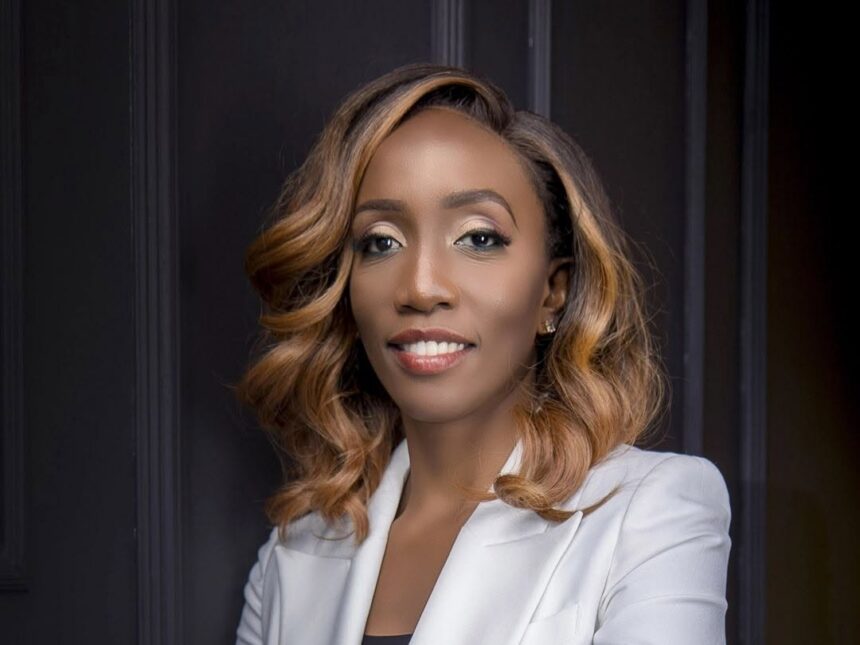
Veteran Kenyan journalist Yvonne Okwara has taken a new step in her career after leaving Citizen TV, with Dennis Itumbi revealing that she will join Shuga Global as Head of Government Relations for East Africa. The announcement came a day after Okwara delivered her emotional farewell broadcast on Tuesday, October 27, 2026, bringing her eight-year tenure at the Royal Media Services television station to an end. Her new position marks a significant transition after two decades in the media industry, where she built a reputation for her journalism, interviews and analysis of national affairs. According to Itumbi, who serves as Head of Creative Economy and Special Projects at the Office of the President, Okwara will contribute to the organisation’s work while supporting the growth of the creative economy. The appointment introduces a new direction in her professional journey, moving her experience in journalism into government relations, stakeholder engagement and the wider creative sector.
Itumbi announced Okwara’s new role on Wednesday, October 28, 2026, through a social media post that attracted attention from Kenyans online. He stated that she would join Shuga Global, formerly known as the MTV Staying Alive Foundation, as Head of Government Relations for East Africa. He also highlighted the potential contribution she could make to the growth of the creative economy. Although Okwara had not personally announced the appointment in the farewell remarks described, Itumbi’s statement brought details of her next career move into the public domain. The announcement quickly became a talking point because it followed her departure from one of Kenya’s most prominent television newsrooms.
Okwara’s appointment at Shuga Global represents a move beyond traditional television broadcasting while drawing on skills she has developed throughout her journalism career. As a veteran broadcaster, she has spent years communicating complex issues, questioning public officials and engaging audiences on matters affecting society. These experiences can provide a useful foundation for government relations, a field that requires effective communication, relationship building and an understanding of public institutions. Her new position is expected to involve engagement with government stakeholders across East Africa, although the precise responsibilities and priorities of her role have not been detailed in the announcement. The appointment places her in a position to apply her professional experience in a different environment while remaining connected to public affairs and communication.
Shuga Global is associated with behaviour change initiatives, youth health and the use of creative content to address social issues across Africa. Its work reflects the role that storytelling, entertainment and media can play in reaching audiences with information that influences attitudes and behaviour. The organisation’s background is linked to the MTV Staying Alive Foundation, which became known for using media and creative projects to engage young people on health-related issues, including HIV prevention. By joining the organisation in a regional government relations position, Okwara will be moving into an area where public policy, institutional partnerships and creative communication can intersect. Her journalism background could be relevant to this work because she understands how public messages reach audiences and how communication shapes discussions around important issues.
The Head of Government Relations for East Africa position carries a regional focus that extends beyond a single media market. Government relations generally involves building working relationships with public institutions, engaging policymakers and supporting cooperation between an organisation and relevant authorities. In a role connected to youth health and creative initiatives, these relationships can help organisations understand policy environments and identify opportunities to work with public-sector partners. However, the specific countries, programmes and government institutions Okwara will handle have not been publicly outlined in the information provided. It would therefore be premature to assign her particular projects or responsibilities beyond the role announced by Itumbi. What is clear is that her new position places government engagement at the centre of her next professional chapter.
Her appointment also comes at a time when the creative economy is receiving attention as a source of employment, business activity and cultural influence. The creative economy includes activities linked to film, television, music, digital content, publishing and other forms of creative production. These industries depend on talent, investment, distribution networks and policies that allow creative professionals to develop sustainable businesses. Experienced communicators can contribute to conversations about how public institutions and creative organisations work together to support the sector. Itumbi’s announcement specifically connected Okwara’s appointment to the growth of the creative economy, although the details of any initiatives she may support remain unconfirmed. Her new role could provide an opportunity to bring her understanding of media and public communication into discussions involving regional stakeholders.
The news of Okwara’s next career move followed an emotional farewell at Citizen TV, where she reflected on her 20 years in the media industry. During her final broadcast on Tuesday, she expressed gratitude to the mentors, colleagues and family members who had supported her professional journey. She also acknowledged the newsroom’s culture of teamwork and thanked the News Gang panellists for their contribution to public conversation. Her remarks made clear that leaving Citizen TV did not mean she had reached the end of her career. Instead, she described the transition as the beginning of another chapter, reinforcing her intention to continue pursuing new goals.
Okwara’s departure marked the end of an eight-year period at Citizen TV, where she became a familiar presence for viewers following Kenyan news and current affairs. Her work in television required her to communicate developments clearly, engage with people holding different views and examine issues of public interest. These responsibilities helped establish a professional background that could be relevant beyond the newsroom. A move into government relations does not necessarily mean abandoning journalism’s core skills, since both fields rely on research, communication, credibility and an understanding of public concerns. Her new position therefore represents a change in professional focus rather than evidence that she intends to leave public communication behind.
Itumbi’s announcement also attracted debate because of the political language he used when revealing Okwara’s appointment. He framed his post around the phrase “Sponsor Chronicles Bureau”, a reference that appeared to draw on President William Ruto’s use of the word “sponsor” when discussing former president Uhuru Kenyatta’s alleged links to the opposition. The wording led some social media users to interpret the post as a political dig aimed at Okwara or her perceived sympathies during her time at Citizen TV. Others questioned why Itumbi had revealed her next role before she announced it herself. These reactions became part of the wider discussion surrounding her departure, although the political interpretation of the post should be distinguished from the confirmed details of the appointment.
The debate over who should announce a professional appointment also raised questions about privacy and personal milestones in public life. When a well-known journalist leaves a major television station, audiences naturally become interested in what comes next. However, the individual concerned may wish to share the news personally and explain the decision in their own words. Itumbi’s post brought the appointment into public discussion before Okwara had made a personal announcement in the account provided. There is no confirmed information here about whether she had authorised the timing of the disclosure or how she responded to the political framing. The discussion therefore remains centred on public reactions to the post rather than any established disagreement between the two.
Okwara’s transition is also a reminder that experienced journalists can pursue careers in organisations that work across policy, public engagement and social development. A background in broadcasting can provide knowledge of media strategy, audience behaviour, public debate and the importance of accurate information. These skills can be useful to organisations that rely on creative content to communicate messages about health and social issues. Her regional government relations role offers a different set of responsibilities from presenting or analysing news, particularly through engagement with public institutions. The extent of her influence will depend on the work she undertakes and the partnerships she develops after joining Shuga Global.
As attention shifts from her farewell at Citizen TV to her new appointment, the key development is Okwara’s move into a leadership role focused on government relations across East Africa. Itumbi identified Shuga Global as her next destination and linked her appointment to the organisation’s work and the broader creative economy. Her two decades of media experience provide important context for the transition, although the exact scope of her new duties remains to be clarified. The political comments surrounding the announcement have added controversy, but they do not change the central fact that she has been identified for a new professional role. For Okwara, the move marks a new phase in a career that began in journalism and is now expanding into regional stakeholder engagement and the creative sector.