

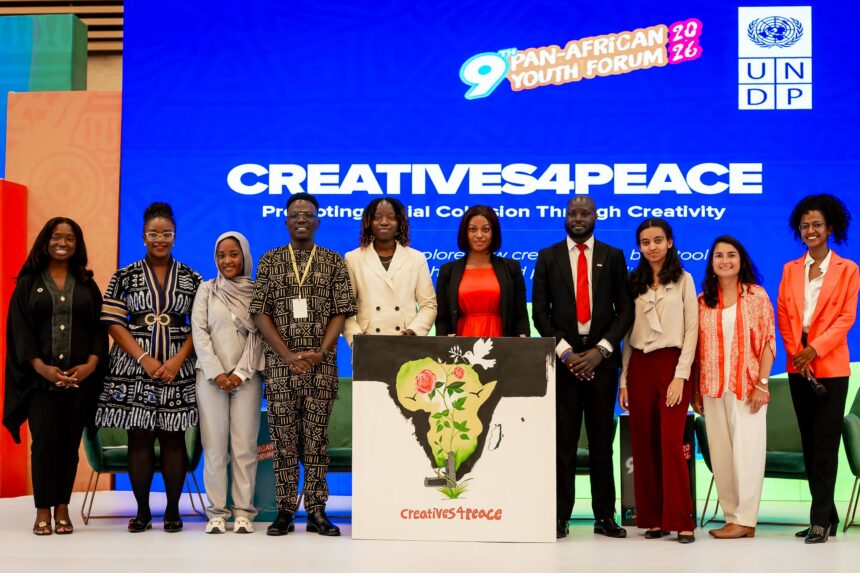
Young African creatives are increasingly using arts and culture to promote peace, build trust and bring communities together, even in areas facing social, political and economic challenges. Through comedy, film, music and social media, young people are finding creative ways to address difficult issues, encourage dialogue and connect people from different backgrounds. In Kenya, where communities have diverse cultural identities and experiences, these creative approaches offer opportunities to strengthen understanding and promote peaceful coexistence. This growing movement was highlighted during the Creatives4Peace roundtable held at PAYF2026, where young creatives from Kenya, Ethiopia, Mauritania, Senegal and Nigeria shared how they use their talents to influence conversations within their communities. The discussion demonstrated that creativity is not only a form of entertainment but also a powerful tool for social change, community engagement and peacebuilding across Africa.
The Creatives4Peace roundtable brought together young African creatives who are using different artistic platforms to communicate messages that matter to their communities. Participants discussed how comedy, film and social media can make difficult conversations easier to approach, particularly in environments where people may struggle to discuss sensitive subjects openly. Through storytelling and creative expression, artists can present complex social issues in ways that audiences understand and relate to. Comedy, for example, can use humour to challenge harmful attitudes, question stereotypes and encourage people to reflect on their behaviour. Film can capture real community experiences and give audiences an opportunity to understand perspectives different from their own. Social media also allows young creatives to reach wider audiences, share positive messages and encourage conversations that extend beyond physical community spaces.
For Kenyan audiences, these discussions are particularly relevant because the country continues to navigate questions surrounding national unity, social cohesion, cultural identity and peaceful coexistence. Kenya is home to communities with different languages, traditions, religions and cultural practices. While this diversity is an important part of the country’s identity, differences can sometimes contribute to misunderstanding, discrimination and social divisions. Young creatives have an opportunity to address these challenges by producing content that promotes mutual respect and encourages people to appreciate their differences. Through music, comedy, photography, theatre, film and digital storytelling, they can create spaces where people feel represented and heard. Their work can also help younger generations understand the importance of dialogue, tolerance and collective responsibility in building a peaceful society.
One of the most important points raised during the roundtable was the ability of creative expression to start conversations that might otherwise remain difficult or uncomfortable. Social challenges such as discrimination, misinformation, political tensions and community conflicts often require open discussions before meaningful solutions can emerge. However, traditional communication methods do not always reach younger audiences or encourage them to participate. Creative content offers an alternative by combining information with entertainment and relatable experiences. A short film addressing discrimination or a comedy sketch questioning harmful stereotypes can encourage audiences to reconsider their views without making them feel immediately judged. When handled responsibly, these creative approaches can help communities recognise shared experiences and develop greater understanding.
Social media has also become an important platform for young African creatives involved in peacebuilding. Platforms such as TikTok, Instagram, Facebook and YouTube allow creators to distribute their work quickly and connect with audiences across geographical and cultural boundaries. In Kenya, where digital platforms play a growing role in everyday communication, young people can use social media to share stories that promote unity, challenge misinformation and encourage constructive discussions. However, the influence of digital content also comes with responsibility. Creators must consider how their messages may affect different audiences, particularly when discussing sensitive political, ethnic or social issues. Content that promotes division or spreads unverified information can deepen existing tensions, making responsible storytelling an important part of using digital platforms for positive change.
The roundtable also explored the responsible use of artificial intelligence in the creative sector. AI tools are increasingly influencing how people develop ideas, produce content, edit videos, create images and distribute creative work. For young African creatives, these technologies could provide new opportunities to experiment, improve production processes and reach audiences with limited resources. Independent filmmakers, digital artists, musicians and content creators may find AI useful when developing projects that would otherwise require larger budgets or specialised equipment. However, responsible AI use requires attention to accuracy, originality, consent and transparency. Creatives must also consider issues such as copyright, misinformation, cultural representation and the possibility of using AI-generated content to manipulate public opinion. As AI becomes more common in Africa’s creative industries, young people need the knowledge and skills to use these tools ethically while protecting their artistic identities and the communities represented in their work.
The participation of young creatives from Kenya, Ethiopia, Mauritania, Senegal and Nigeria also highlighted the importance of cross-cultural collaboration in African peacebuilding efforts. Although these countries have different histories, languages and social experiences, their creative communities face several shared challenges. Young artists across the continent often work in environments where access to funding, professional opportunities, training and distribution platforms can be limited. They may also encounter social tensions that make it difficult to communicate certain messages or reach audiences beyond their immediate communities. By sharing their experiences, participants demonstrated how creative approaches developed in one country could inspire similar initiatives elsewhere. Such exchanges can encourage African creatives to collaborate, learn from one another and develop projects that promote understanding across national and cultural boundaries.
Partners including the Embassy of Malta, EUNIC and UNESCO also shared their experiences of using arts and culture to support peacebuilding and social cohesion. Their contributions highlighted the role that institutions and cultural organisations can play in creating opportunities for young people to use their creative abilities for meaningful social impact. Supporting arts and culture involves more than organising exhibitions, performances or entertainment events. It also requires investing in creative education, professional development, cultural exchange and platforms where young people can express themselves freely and responsibly. Partnerships between artists, cultural organisations, governments and international institutions can help provide the resources needed to sustain community-based creative projects. Such cooperation is particularly important for emerging artists who have the talent and ideas but lack the financial support or professional networks to expand their work.
The discussion also highlighted growing interest in investing in Africa’s cultural and creative industries so that more young people can sustain their work. Africa has a large population of young people with interests and talents in music, film, fashion, visual arts, digital media, comedy and other creative fields. These industries have the potential to create employment, support entrepreneurship and contribute to economic development. However, many emerging creatives struggle with inconsistent income, limited access to equipment, inadequate funding and difficulties finding sustainable markets for their work. Investment in the creative economy can help address some of these challenges by supporting training programmes, production facilities, grants, creative businesses and distribution opportunities. It can also make it easier for young people to turn their artistic skills into sustainable careers while continuing to contribute to their communities.
In Kenya, investing in the creative sector could create opportunities for emerging filmmakers, comedians, musicians, photographers, writers and digital content creators. The country already has a growing community of young people using digital platforms and artistic expression to tell stories about everyday life, social challenges and cultural experiences. However, talent alone does not guarantee long-term success. Creatives need access to reliable funding, professional networks, affordable production resources and platforms that allow them to reach paying audiences. Support from government institutions, private businesses, cultural organisations and development partners could help strengthen this ecosystem. More importantly, investment should recognise the social value of creative work alongside its commercial potential. Artists who use their platforms to promote peace, inclusion and community understanding deserve opportunities to develop their work without sacrificing their financial stability.
Creative industries can also help preserve African cultural heritage while encouraging new forms of artistic expression. Traditional music, storytelling, dance, fashion and visual art carry important knowledge about communities and their histories. Young creatives can use contemporary platforms to reinterpret these cultural traditions and introduce them to new audiences. In Kenya, this could involve documenting local stories, promoting indigenous languages, showcasing traditional artistic practices and producing films that reflect the experiences of different communities. Such projects can strengthen cultural pride while encouraging people from different backgrounds to appreciate one another. They can also ensure that important cultural knowledge remains accessible to younger generations as technology and social habits continue to change.
The role of young creatives in peacebuilding should also be recognised as part of broader efforts to strengthen community participation. Peace is not only about the absence of conflict. It also involves building relationships, addressing misunderstandings and creating conditions where people feel respected and included. Creative projects can support these goals by bringing people together through shared activities and conversations. Community film screenings, theatre performances, comedy events, photography exhibitions and cultural festivals can create opportunities for interaction among people who might not otherwise engage with one another. These activities can help participants discover common interests and develop a better understanding of different experiences. While creative initiatives cannot replace formal conflict resolution or institutional action, they can complement these efforts by strengthening trust at the community level.
For Kenya’s young generation, the message from the Creatives4Peace roundtable is clear. Artistic talent can serve a purpose beyond personal recognition and commercial success. Young people can use their voices, skills and digital platforms to challenge harmful narratives, encourage understanding and contribute to stronger communities. The discussions at PAYF2026 also reinforced the importance of responsible AI use, cross-cultural collaboration and greater investment in Africa’s cultural and creative industries. With the right support, young creatives can build sustainable careers while producing work that responds to the needs and experiences of the people around them. Their contribution deserves recognition not only within the entertainment industry but also in conversations about development, social cohesion and peaceful coexistence.
The growing use of arts and culture for peacebuilding presents an important opportunity for Kenya and the wider African continent. Through comedy, film, music, storytelling and social media, young creatives are showing how creative expression can open conversations, challenge divisions and bring communities closer together. The experiences shared by participants from Kenya, Ethiopia, Mauritania, Senegal and Nigeria demonstrate the value of exchanging ideas and learning across borders. Support from organisations such as UNESCO, EUNIC and other cultural partners can help strengthen these efforts by providing resources, professional opportunities and platforms for collaboration. Kenya now has an opportunity to further invest in its young creative talent and recognise the role artists can play in building a more inclusive society. When young people have the freedom, skills and resources to tell meaningful stories, arts and culture can become an important part of creating stronger, more connected and peaceful communities.