
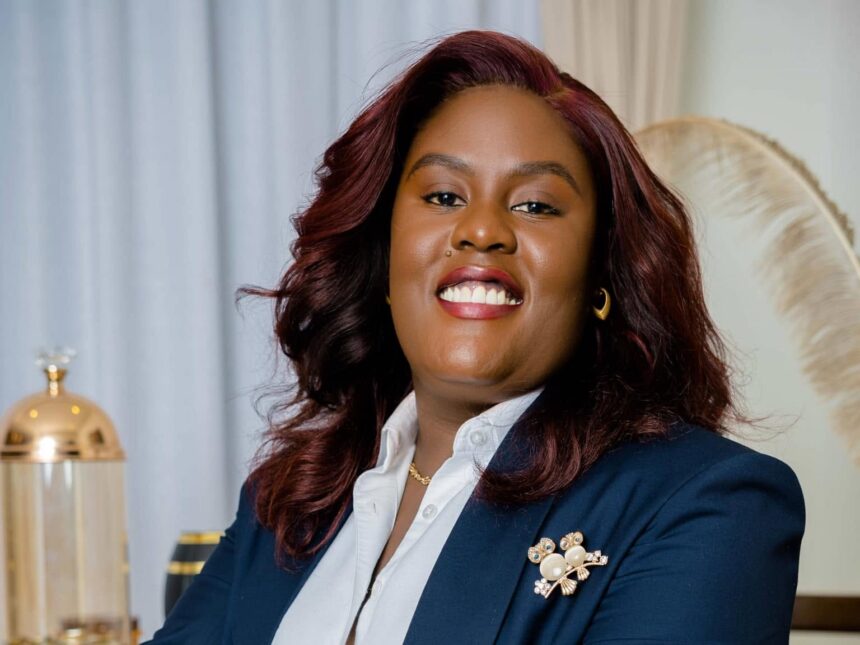
Winnie Odinga has revealed plans to preserve the life and legacy of her late father, former Kenyan Prime Minister Raila Odinga, through a six-episode documentary series and a memoir. The East African Legislative Assembly (EALA) member shared the ambitious plans during a YouTube interview, explaining that she wants to present a more personal account of the influential politician beyond the formal biographies and political histories that have documented his career. Winnie said she would love to produce a short documentary series that could eventually reach a major streaming platform such as Netflix. Her vision is also driven by a desire to make Raila’s story accessible to younger audiences who may not engage with lengthy political books. The project could give viewers an opportunity to discover the private side of Raila through personal memories, conversations and recordings preserved by his daughter.
Winnie discussed the proposed documentary during a sit-down interview with Edmund Obilo on his YouTube channel, with the interview published on Saturday, August 29, 2026. During the conversation, she explained that she has been documenting aspects of her father’s life for years, creating material that could potentially form the foundation of a future documentary. Rather than relying solely on public speeches, newspaper archives and political commentary, Winnie has personal recordings that capture Raila speaking during conversations with her. She recalled regularly asking him questions and recording his voice, suggesting that the archive could contain valuable first-hand material about his experiences and perspectives. If developed into a documentary, such recordings could help create a more intimate portrayal of the late political leader.
Winnie’s proposed six-episode format would allow the story to explore different stages of Raila’s life without attempting to compress his long political career into a single film. Raila was one of Kenya’s most prominent political figures, with a public career that spanned decades and included periods of opposition politics, government service, presidential campaigns and major national political transitions. A series could therefore examine his political journey alongside the family experiences that shaped the man known publicly as a formidable opposition leader and former prime minister. Winnie appears particularly interested in showing elements of his personality and family life that were less visible during his years in the political spotlight. Her involvement could also provide a perspective based on years of direct interaction rather than observations made from outside the family.
The documentary idea is closely connected to Winnie’s concern about how younger generations will encounter Raila’s legacy in the future. She explained that she wants the story presented in a format that younger people can consume, making a streaming series an appealing option. Digital platforms have changed how audiences learn about major public figures, with documentaries often combining interviews, archival footage, photographs and personal recordings to create accessible historical narratives. A well-produced series could potentially bring together Raila’s political milestones with family memories and previously unheard material. However, Winnie’s comments present the Netflix concept as an ambition at this stage, rather than an announcement that a Netflix production has already been commissioned or confirmed.
One of the most significant aspects of the proposed project is the audio material Winnie says she collected during her father’s lifetime. She revealed that she would sit with Raila, ask him questions and record his voice during their conversations. Such recordings could become an important element of a future documentary because they could allow audiences to hear Raila discussing subjects in his own voice rather than relying entirely on narration from other people. Depending on the content, the recordings could provide insight into his thoughts, memories and experiences away from the public stage. They could also give the series an emotional dimension by allowing Winnie’s memories of her father to be supported by authentic moments captured while he was alive.
Alongside the documentary plans, Winnie revealed that she also intends to write a memoir about her life with Raila. She indicated that the book could focus on particular periods rather than attempting to provide a comprehensive account of every year of his life. She mentioned the possibility of organising the memoir around specific election cycles, which could allow her to explore how major political contests affected their family and her relationship with her father. Such a structure could provide a combination of political history and personal experiences, offering readers a perspective that is different from conventional accounts of Kenyan elections. The memoir could also preserve family memories that might otherwise become less accessible as time passes.
Winnie’s proposed memoir could be particularly significant because her relationship with Raila extended beyond that of a daughter and father. She was widely regarded as one of his close confidantes and accompanied him during various travels and political activities. Her proximity to him gave her access to moments that were rarely visible to the wider public, including ordinary family interactions and private conversations. She has previously shared memories of a father who challenged his children with trivia questions and riddles, turning their home into what she described as a “vitendawili”, or riddles, testing ground. These details illustrate the personal side of Raila that could become central to both the documentary and the memoir.
Raila Odinga died on October 15, 2025, at Devamatha Hospital in India at the age of 80. Winnie was reportedly with him during his final hours, making her perspective on his final days particularly personal. She has spoken about the circumstances surrounding his death and recalled that he maintained his physical routine even on the morning he died. According to her account, Raila completed five rounds of walking when he would normally complete only one or two, something she interpreted as a sign that he left the world strong and with dignity. Memories such as these could form some of the most emotional parts of a future account of his final chapter.
The proposed documentary would also have an opportunity to explore Raila’s identity outside his political achievements. For many Kenyans, his name remains closely associated with elections, political movements, national debates and his long pursuit of the presidency. Yet Winnie’s memories suggest that there was another side to him that existed within the family home, where he could be playful, curious and deeply engaged with his children. Presenting these different dimensions could help audiences understand how the public figure and private father existed alongside each other. It could also give viewers who knew Raila primarily through politics a chance to see the personal relationships that influenced his life.
A six-episode documentary could potentially cover several themes while allowing enough time for each period to receive meaningful attention. One episode could focus on Raila’s early life and political formation, while others could examine key election cycles, his time in government, his relationship with political allies and opponents and his role in major moments in Kenya’s modern political history. Another episode could focus specifically on his family life and relationships, using Winnie’s recordings and memories to create a more personal narrative. The final episode could explore his final years, death and the legacy he left behind. The exact structure remains unknown because Winnie has not announced a completed production or confirmed a streaming deal.
The project could also become an important historical archive if it brings together material from different stages of Raila’s life. Personal recordings, photographs, family videos, campaign footage, interviews and historical news reports could provide multiple perspectives on the same events. Winnie’s contribution would add a family perspective that may not appear in official political records. At the same time, any documentary covering such a major political figure would need to distinguish personal memories from independently documented historical events. That balance could help the project appeal both to audiences interested in Raila as a father and to viewers seeking a broader understanding of his role in Kenyan public life.
Winnie Odinga’s plans ultimately point to a desire to preserve more than her father’s political record. Her proposed six-episode documentary would seek to make Raila’s story accessible to a new generation, while her planned memoir would provide a written account of their relationship and the defining moments they experienced together. The recordings she made during private conversations could become an especially valuable part of that effort if she eventually develops them into a formal production. For audiences who followed Raila’s political career, the prospect of hearing his own voice alongside Winnie’s memories could offer a different perspective on a familiar public figure. While there is currently no confirmation that Netflix has commissioned the series, Winnie’s announcement has created interest in what could become a significant personal record of the late former prime minister’s life and legacy.